




I was sitting in a cramped, dimly lit corner of a dim sum parlor in Richmond last Tuesday, watching an elderly woman meticulously prep dough for dumplings, when it hit me. We’ve been sold this absolute lie that building grit requires a complete personality transplant or some expensive, high-octane morning routine involving ice baths and sunrise meditation. It’s all so performative. In reality, learning how to cultivate self discipline for long term success isn’t about those grand, cinematic gestures that look great on a curated Instagram feed; it’s much more unassuming than that. It’s about the quiet, repetitive motions that happen when nobody is watching and the motivation has long since evaporated.
I’m not here to give you a checklist of productivity hacks that will leave you feeling burnt out by noon. Instead, I want to share what I’ve learned from years of chasing stories and navigating the messy, beautiful reality of a freelance life. We’re going to strip away the hype and look at the small, sustainable rhythms that actually move the needle. This is about finding a way to show up for yourself that feels human, not robotic.
Building Consistent Habits for Success Like a Daily Ritual

Sometimes, the hardest part of maintaining that discipline isn’t the big, sweeping life changes, but managing the mental clutter that creeps in during our downtime. I’ve found that when my mind starts to wander or I feel that restless urge to procrastinate, it helps to pivot toward something that offers a genuine, focused connection rather than just mindless scrolling. For me, finding a way to engage in meaningful, direct communication—like exploring a sextingusa chat—can actually serve as a way to satisfy that need for social stimulation without letting it derail my larger productivity goals. It’s all about learning how to navigate your impulses so they work for you, rather than against you.
I’ve often found that the most profound changes don’t happen in a single, dramatic burst of inspiration, but in the quiet, repetitive motions of our mornings. It reminds me of the way my favorite corner bakery in the Mission operates; they don’t make magic by accident, but through the meticulous, daily ritual of kneading dough at 4:00 AM. When it comes to developing daily routines for productivity, we have to stop viewing discipline as a punishment and start seeing it as a form of self-care. It’s about creating a scaffolding for your life so that when motivation inevitably fails you, your structure holds you up.
The trick isn’t to overhaul your entire existence overnight—that’s a recipe for burnout. Instead, focus on mastering self-control for long-term goals by shrinking your ambitions down to something manageable. If you can commit to just ten minutes of a difficult task every single day, you aren’t just checking a box; you are rewiring your brain to trust yourself. This steady, rhythmic approach turns the daunting climb of success into a series of small, intentional steps that eventually feel like second nature.
Mastering Self Control for Long Term Goals Through Small Moments

I’ve often found that the biggest battles aren’t fought in grand, cinematic moments of resolve, but in the quiet, mundane seconds when no one is watching. It reminds me of sitting in a tiny, fog-drenched cafe in the Richmond District; the owner doesn’t become a master barista by perfecting a thousand lattes at once, but by mastering the precise, repetitive motion of the milk steamer every single morning. Mastering self-control for long-term goals works much the same way. It’s about those micro-decisions—choosing to finish one more paragraph instead of scrolling through a feed, or opting for a walk when the couch feels like a magnet.
These tiny victories are the foundation of delayed gratification and willpower. When we resist a momentary impulse, we aren’t just saying “no” to a distraction; we are actively training our brains to prioritize our future selves. It’s less about sheer force of will and more about building a reservoir of resilience. By winning these small, internal skirmishes, we gradually develop the mental toughness for goal achievement that carries us through the seasons when motivation inevitably fades.
The Art of Staying the Course: Five Ways to Nurture Your Inner Resolve
- Design your environment to work with you, not against you. Just like how a well-organized kitchen makes cooking a joy rather than a chore, clearing the physical and digital clutter from your workspace can quiet the mental noise that tempts us to drift off course.
- Learn to embrace the “uncomfortable middle.” There’s a certain magic in the honeymoon phase of a new goal, but real discipline is forged in that messy, unglamorous stretch where the initial excitement fades and the actual work begins.
- Forgive your lapses instead of letting them become a landslide. We all have days where we lose our footing; the trick isn’t being perfect, it’s about having the grace to reset immediately rather than letting one missed step turn into a week of wandering.
- Connect your daily grind to a deeper “why.” When the task feels tedious, I try to remember the bigger picture—much like how a single ingredient is just a component, but together they create a story. Discipline needs a soul to keep it moving.
- Celebrate the quiet victories that no one else sees. Long-term success isn’t always a grand opening or a finished masterpiece; often, it’s just the silent, private triumph of choosing to show up when you really, really wanted to stay in bed.
The Slow Burn of Becoming
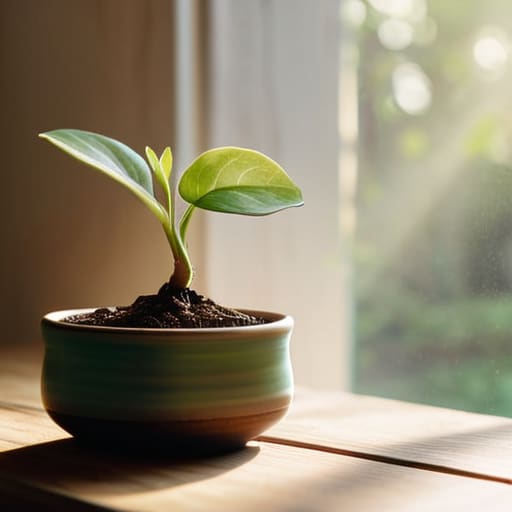
As I sit here reflecting on everything we’ve covered, it strikes me that self-discipline isn’t some grand, sweeping overhaul of your identity. It’s actually much more subtle—it’s the quiet architecture of your days. We’ve talked about how building consistent habits functions like a sacred daily ritual and how mastering those tiny, fleeting moments of self-control can eventually steer the course of your entire life. It isn’t about being perfect or following a rigid, unyielding script; it’s about recognizing the patterns we create and choosing to nudge them toward something meaningful. When you stop viewing discipline as a punishment and start seeing it as a way to honor your own potential, the entire landscape shifts.
Ultimately, cultivating this kind of inner strength is a lot like discovering that perfect, tucked-away bistro I stumbled upon in the Mission last year. You don’t find the soul of a place in a loud, flashy advertisement; you find it in the steady, rhythmic hum of the kitchen and the care put into the smallest details. Your long-term success will follow a similar path. It is a slow, beautiful burn that requires patience and a gentle hand. Don’t be too hard on yourself when the rhythm falters. Just find your way back to the pulse, take a breath, and keep moving forward, one intentional step at a time.