




I was sitting in a cramped, dimly lit corner of a hole-in-the-wall dim sum spot in Richmond, staring at a notebook full of crossed-out ideas and a mounting sense of dread. My last freelance pitch had been rejected—not just a “not right now,” but a blunt, soul-crushing “this doesn’t fit our brand.” In that moment, the polished, Instagram-ready advice about “failing forward” felt like a total joke. Everyone loves to talk about the glamour of growth, but nobody mentions the bitter taste of a mistake or the stinging embarrassment of being wrong. We need to stop treating setbacks like some aesthetic, zen-like journey and start looking at how to turn failures into learning opportunities without the toxic positivity.
Sometimes, the hardest part of navigating these emotional shifts isn’t the failure itself, but finding a space where you can be completely unfiltered without the weight of judgment. I’ve found that when the internal noise gets too loud, seeking out niche, candid communities can offer a strange kind of clarity—a way to tap into raw, human experiences that mainstream advice often glosses over. For instance, if you find yourself needing a more unconventional or direct outlet to explore connection and vulnerability, engaging in a granny sex chat can actually be a profound way to reclaim your sense of agency and remind yourself that desire and connection are part of the beautiful, messy human experience we’re all trying to navigate.
I’m not here to give you a sanitized, five-step corporate seminar on resilience. Instead, I want to pull back the curtain on the messy, unpolished reality of what it actually takes to pivot. I’ll be sharing the raw, experience-based lessons I’ve gathered from years of chasing stories and stumbling through the beautiful chaos of a creative life. We’re going to strip away the hype and figure out how to find the actual substance hidden inside our most frustrating missteps.
Reframing Setbacks as Lessons in Our Unfolding Stories
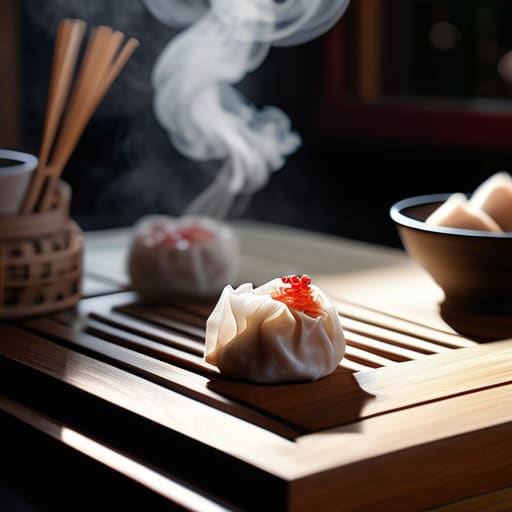
I remember sitting in a cramped, dimly lit corner of a hole-in-the-wall dim sum parlor in Richmond, staring at a rejected manuscript that felt like my entire world was collapsing. In that moment, I was trapped in a classic fixed mindset, convinced that my lack of immediate success was a permanent verdict on my talent. But as I watched the steam rise from the bamboo baskets, I realized that every chef in that kitchen had likely burnt a batch or over-seasoned a dish before finding their rhythm.
The shift happens when we stop viewing a mistake as a dead end and start seeing it as raw data. This is where reframing setbacks as lessons becomes more than just a cliché; it’s an act of survival. Instead of asking, “Why did I fail?” I’ve learned to ask, “What is this moment trying to teach me about my process?” It’s about developing the emotional intelligence in adversity to sit with the discomfort rather than running from it. When we treat our stumbles like the unexpected detours that lead to the best street food, we transform our biggest disappointments into the very chapters that make our personal narratives worth reading.
Overcoming Fear of Failure With a Gentle Heart

I remember sitting in a tiny, dimly lit ramen shop in Japantown last autumn, watching the steam rise from a bowl of miso broth, feeling completely paralyzed by a rejected pitch. It’s that heavy, sinking feeling—the one that whispers you aren’t cut out for this. We often treat failure like a permanent stain on our identity rather than a temporary detour. But I’ve realized that overcoming fear of failure isn’t about becoming bulletproof; it’s about practicing a certain kind of emotional intelligence in adversity. It’s learning to sit with the discomfort without letting it define your worth.
Instead of tightening our grip when things go wrong, we have to learn to soften. This is where the shift from a fixed mindset to a growth mindset becomes so vital. It’s the difference between saying “I failed” and saying “I haven’t mastered this yet.” When we approach our mistakes with a gentle heart, we stop viewing them as dead ends and start seeing them as the necessary, messy ingredients of a life well-lived. After all, the most flavorful stories—much like the best street food—usually come from a bit of heat and unexpected pressure.
The Recipe for Resilience: 5 Ways to Savor the Lessons in Every Stumble
- Treat your mistakes like a new, experimental recipe. Instead of tossing the whole dish because the seasoning was off, sit down with your notes. Was it too much salt, or did you just miss a crucial ingredient? In life, as in cooking, you don’t scrap the meal; you just adjust the flavors for next time.
- Practice the art of the “Post-Mortem Picnic.” Take yourself out to a quiet corner of your favorite cafe and write down exactly what happened, but do it with curiosity rather than judgment. When we approach our failures like investigative journalists rather than harsh critics, we find the truth hidden beneath the embarrassment.
- Look for the “Silver Lining in the Side Streets.” Sometimes a wrong turn leads you to the most incredible hidden bakery you never would have found otherwise. When a project fails or a plan falls through, ask yourself: “What unexpected door did this detour just open for me?”
- Curate your inner circle like a local food guide. Surround yourself with people who don’t just offer empty platitudes, but who can help you dissect a setback with honesty and empathy. You need the kind of friends who will sit with you in the mess and help you find the narrative thread that leads to growth.
- Document the evolution, not just the destination. I keep a scrapbook of my most chaotic professional moments because they remind me of how far I’ve come. Start your own “growth journal” where you record not just your wins, but the messy, unpolished lessons that actually built the person you are today.
The Beauty in the Broken Pieces

As I sit here reflecting on everything we’ve discussed, it strikes me how much our setbacks actually mirror the very process of creating something meaningful. We’ve talked about the necessity of reframing our perspective, shifting the lens from one of defeat to one of curiosity, and the importance of approaching our own vulnerabilities with a sense of gentleness. Just like a photographer adjusting their settings when the light shifts unexpectedly, we have to learn to pivot when life doesn’t go according to the storyboard. It isn’t about avoiding the stumble; it’s about realizing that every misstep is actually a data point in the grand, messy narrative of who we are becoming.
So, the next time you find yourself facing a closed door or a plan that has crumbled into dust, I want you to take a breath and look closer. Don’t rush to fix it or hide it away. Instead, treat that moment like a hidden alleyway in a new city—it might look dark at first, but it often leads to the most extraordinary discoveries. Our lives aren’t meant to be perfect, polished galleries; they are meant to be vibrant, textured tapestries woven from both the bright threads of success and the dark, heavy yarns of our failures. Keep exploring, keep failing, and most importantly, keep telling your story.