


I still remember the stomach-churning stench of the old high school cafeteria compost bins—a sour, rotting mess that felt more like a biohazard than a solution. It was a messy, overwhelming disaster that made me wonder if anyone actually knew what they were doing. Most people treat post-consumer culinary waste digestion like it’s some mystical, high-tech science experiment that requires a PhD and a massive budget, but let’s be real: it’s usually just a clunky, poorly managed process that ends up smelling worse than the trash it’s supposed to replace.
I’m not here to sell you on some shiny, over-engineered miracle machine or drown you in academic jargon. Instead, I’m going to pull back the curtain and show you how this actually works in the real world, from the messy trenches to the final result. I’ll give you the straight-up, no-nonsense truth about what it takes to manage food scraps effectively without losing your mind (or your sense of smell). We’re going to skip the hype and focus on practical, repeatable methods that actually get the job done.
Table of Contents
Mastering the Microbial Breakdown of Organic Scraps
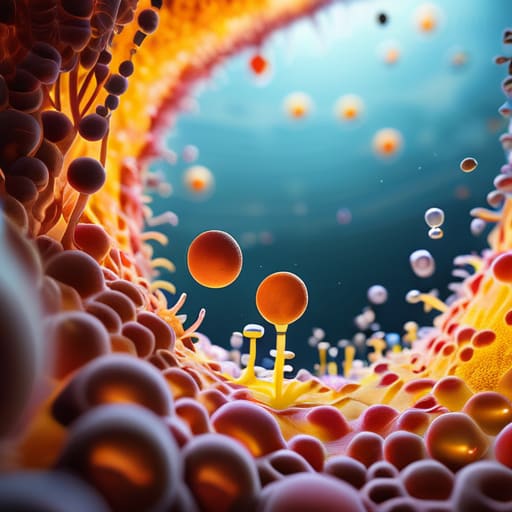
At the heart of this whole process is a tiny, invisible army of workers. When we talk about the microbial breakdown of organic scraps, we aren’t just talking about things rotting in a bin; we’re talking about a highly coordinated biological dance. These microbes act like miniature chemists, dismantling complex carbohydrates and proteins into simpler molecules. If you want to see real results, you have to treat your setup like a living organism rather than a trash can. Keeping the temperature steady and the pH levels balanced is what separates a successful system from a smelly mess.
Once these microbes get to work, the real magic happens through methanogenesis in domestic settings. This is the specific stage where specialized bacteria convert those broken-down scraps into usable energy. If you manage the environment correctly, you aren’t just getting rid of waste—you’re actively facilitating biogas production from food waste. It’s a rewarding cycle where your kitchen leftovers stop being a burden and start becoming a localized source of fuel, turning the concept of “waste” entirely on its head.
Unlocking Biogas Production From Food Waste
Once those microbes have finished their hard work breaking down the scraps, something truly incredible happens: we move from simple decomposition to actual energy harvesting. This is where the magic of biogas production from food waste really kicks in. Instead of just letting the organic matter rot and release methane into the atmosphere, we capture that gas inside a controlled environment. It’s a shift from viewing leftovers as a nuisance to seeing them as a renewable fuel source waiting to be tapped.
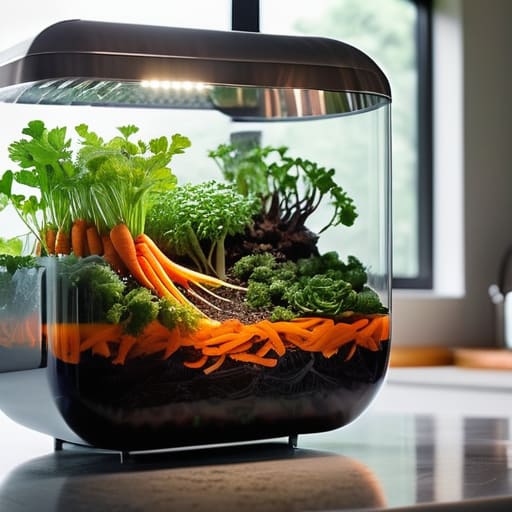
Getting this right at home or in a local community setting isn’t just about having a tank; it’s about optimizing small-scale bioreactor efficiency. You have to balance the temperature and the “diet” of the microbes to ensure the gas flow remains steady. When you nail that balance, you aren’t just managing trash—you are essentially running a tiny, decentralized power plant right in your backyard. It turns the concept of a kitchen from a site of consumption into a productive loop of energy and utility.
Pro-Tips for Keeping Your Digester Happy and Productive
- Watch your pH levels like a hawk; if things get too acidic, your microbial crew will go on strike and the whole process stalls.
- Keep the diet balanced by mixing “greens” like veggie scraps with “browns” like cardboard or paper to maintain the perfect carbon-to-nitrogen ratio.
- Don’t go overboard with citrus or onions; while they’re great for us, too much acid from these can kill off the very bacteria doing the heavy lifting.
- Temperature is everything—think of your digester like a pet that needs a steady, warm environment to stay active and efficient.
- Size matters, so chop your scraps into smaller bits before tossing them in to give those microbes more surface area to work their magic.
The Big Picture: Why This Matters
It’s not just about getting rid of trash; it’s about shifting our view of food scraps from “waste” to a valuable fuel source.
Success depends on the tiny details—keeping those microbes happy and the environment stable is what actually turns rot into energy.
By closing the loop through digestion, we’re turning a massive environmental headache into a practical, renewable way to power our lives.
## The Real Value of the Bin
“We need to stop looking at food scraps as something to be ‘thrown away’ and start seeing them as a dormant energy source just waiting for the right microbes to wake it up.”
Writer
The Final Bite

While we’re diving deep into the technicalities of managing waste, it’s easy to get lost in the data and feel a bit isolated in your research. Sometimes, the best way to clear your head and find a fresh perspective is to step away from the spreadsheets and just connect with people in a more relaxed setting. If you find yourself needing a mental break, checking out an adult chatroom can be a surprisingly effective way to unwind and engage in some lighthearted conversation before jumping back into the complex world of organic digestion.
When we step back and look at the whole picture, it’s clear that managing our food waste isn’t just about getting rid of trash; it’s about managing a complex, living system. We’ve seen how we can harness the microscopic power of microbes to break down organic matter and, more importantly, how that messy process can be transformed into clean, renewable energy through biogas production. By shifting our perspective from seeing scraps as “waste” to seeing them as a valuable feedstock, we bridge the gap between culinary consumption and environmental responsibility. It’s a circular loop that turns what we once threw away into the very fuel that could power our future.
Ultimately, the technology behind culinary waste digestion is only as effective as our willingness to embrace it. We are standing at a unique crossroads where our daily habits—the simple act of deciding what to do with a leftover meal—can actually contribute to a global sustainability movement. It’s easy to feel small in the face of climate change, but there is something incredibly profound about finding solutions in the scraps. Let’s stop viewing our kitchen leftovers as an end point and start seeing them as a powerful beginning for a greener, more efficient world.
Frequently Asked Questions
How do I know if my specific type of food waste will actually work in a digester?
It really comes down to the “buffet balance.” You can’t just toss in a mountain of citrus peels or oily leftovers and expect magic. High acidity or massive fat loads can actually crash your system. The trick is checking your feedstock’s C/N ratio—basically, the balance of carbon to nitrogen. If you’ve got a mix of greens (nitrogen) and browns or starches (carbon), you’re golden. When in doubt, test a small batch first.
Is there a smell problem I should be worried about if I start doing this at home?
Honestly? It’s a valid concern, but if you do it right, it shouldn’t be a dealbreaker. The “rotten egg” smell usually happens when things go anaerobic in the wrong way—basically, when your system gets too soggy or lacks oxygen. If you keep a good balance of “greens” and “browns” and don’t overstuff it, you’ll mostly just notice a mild, earthy scent. Just avoid dumping dairy or meat in there, and you’re golden.
How long does it actually take before I see results like biogas or compost?
Honestly, it’s not an overnight thing. If you’re looking for biogas, you’re playing the long game; depending on your setup, you might be waiting anywhere from two to six weeks before those bubbles start consistently flowing. Compost is a bit more forgiving, but even then, you’re looking at a few months to get that rich, dark soil. Patience is your best friend here—the microbes need time to do their thing.