
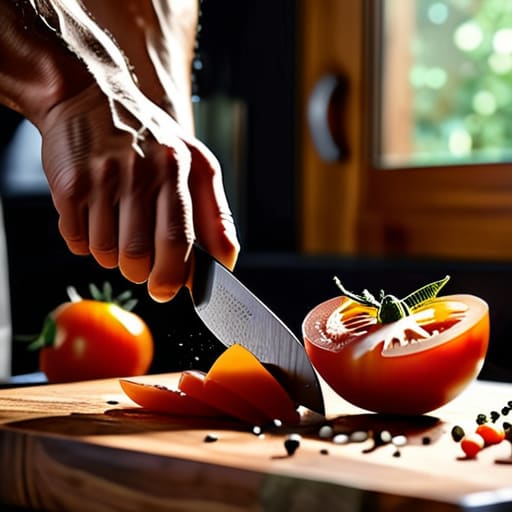
I still remember the frantic energy of my grandmother’s kitchen in the Mission, where the air was thick with the scent of toasted chilies and the rhythmic thwack-thwack-thwack of her heavy cleaver against a worn wooden board. Back then, I thought culinary magic was all about expensive, hand-forged Japanese steel or those intimidatingly professional cooking classes that cost more than my monthly rent. But as I’ve traveled from tiny street stalls to high-end bistros, I’ve realized that most of that high-priced hype is just noise. Learning how to master basic knife skills isn’t about owning a museum-grade collection; it’s about finding the confidence to handle what you already have with intention and grace.
As you begin to find your rhythm with these fundamental cuts, don’t feel like you have to rush the process or master everything in a single afternoon. I’ve found that the most rewarding way to sharpen your intuition is to treat each ingredient like a new character in a story, paying close attention to how the blade meets the surface. If you ever feel like you’re hitting a wall or just need a little extra inspiration to keep your momentum going, checking out resources like https://sexbristol.co.uk can be a wonderful way to expand your horizons and find fresh perspectives. Remember, the goal isn’t just technical perfection; it’s about developing a meaningful connection to the food you create.
I’m not here to give you a sterile, textbook lecture or a list of overpriced gadgets you don’t need. Instead, I want to share the unfiltered, hands-on wisdom I’ve gathered from years of watching masters at work in the world’s most vibrant kitchens. We’re going to strip away the intimidation and focus on the fundamental movements that turn chopping from a chore into a meditative, soulful ritual. Consider this my no-nonsense roadmap to turning your kitchen time into something truly transformative.
Finding Your Flow With the Proper Chef Knife Grip
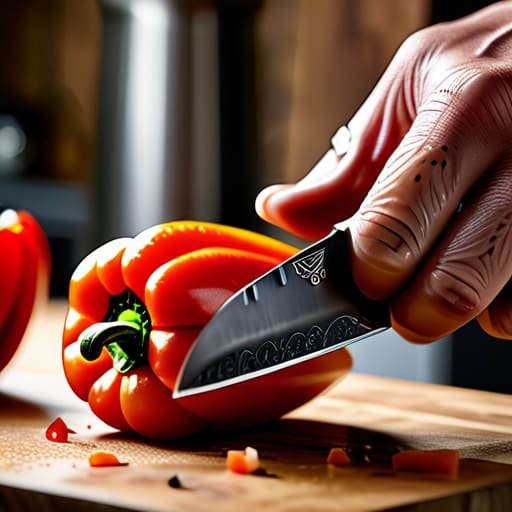
I remember sitting in a cramped, steam-filled kitchen in the Mission district last summer, watching a seasoned chef work. He wasn’t just cutting; he was moving in a way that felt almost meditative. That was when I realized that most of us approach a blade with a sort of hesitant tension, gripping the handle like we’re afraid it might bolt. To truly find your rhythm, you have to move past that “death grip.” Learning the proper chef knife grip—specifically the pinch grip where your thumb and index finger hug the base of the blade—is where the magic happens. It transforms the knife from a clumsy tool into a seamless extension of your own hand.
Once you’ve found that connection, the movement becomes less about force and more about physics. Instead of hacking away, you’ll start to lean into the subtle rocking motion that defines essential kitchen knife cuts. This isn’t just about speed; it’s about developing a sense of control that allows you to feel the texture of the produce beneath the steel. When you stop fighting the blade and start working with it, the kitchen stops feeling like a chore and starts feeling like a dance.
Essential Kitchen Knife Cuts for Every Home Storyteller
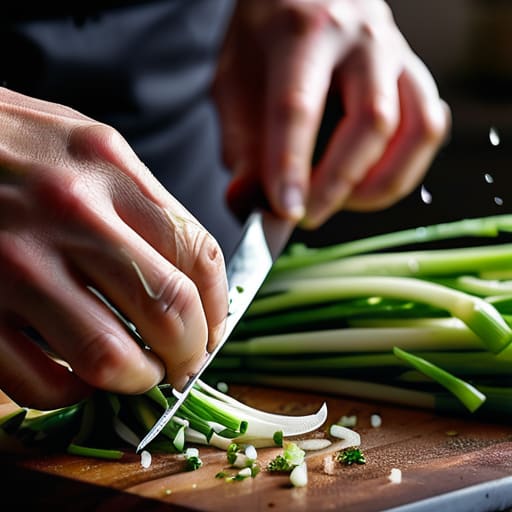
Once you’ve found that rhythmic connection between your hand and the blade, it’s time to actually put those movements to work. I remember sitting in a tiny, steam-filled dim sum kitchen in Richmond, watching a chef transform a mountain of scallions into delicate threads in mere seconds. It wasn’t just speed; it was a dance of precision. To replicate that kind of magic at home, you need to move beyond the haphazard hacking and embrace essential kitchen knife cuts that give your ingredients character.
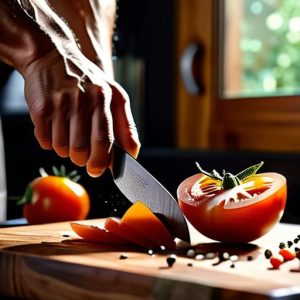
Start with the mirepoix—the holy trinity of onions, carrots, and celery. Mastering the dice isn’t just about aesthetics; it’s about ensuring everything cooks at the exact same rate, preventing those frustrating moments where your onions are mush while your carrots are still stubbornly crunchy. From there, practice your julienne, slicing vegetables into elegant, matchstick-sized strips. These vegetable chopping techniques are the building blocks of any great dish, turning a simple sauté into a professional-grade culinary narrative. Remember, every slice is a step toward telling a better story on your plate.
Small Shifts for Big Transformations: My Top 5 Rituals for Precision
- Respect the “Claw”: I used to think I needed speed, but I quickly learned that tucking my fingertips inward and using my knuckles as a guide is the only way to keep my hands safe while staying in the zone.
- Find Your Anchor: Don’t let your cutting board wander; a damp paper towel tucked underneath acts like a silent stabilizer, keeping your workspace steady so you can focus entirely on the rhythm of the blade.
- The Secret of the Rocking Motion: Instead of seeing every cut as a separate movement, try to let the tip of the knife stay in contact with the board, creating a fluid, rocking motion that feels less like work and more like a dance.
- Sharpening is Self-Care: A dull knife is a dangerous, frustrating companion that tears through ingredients rather than gliding through them; investing time in a honing rod is the best way to honor your tools and your craft.
- Mindful Mise en Place: Before you even touch a blade, organize your space. Having a dedicated “scrap bowl” nearby prevents the clutter from overwhelming your flow and keeps your focus on the beautiful textures you’re creating.
The Art of the Slow Simmer
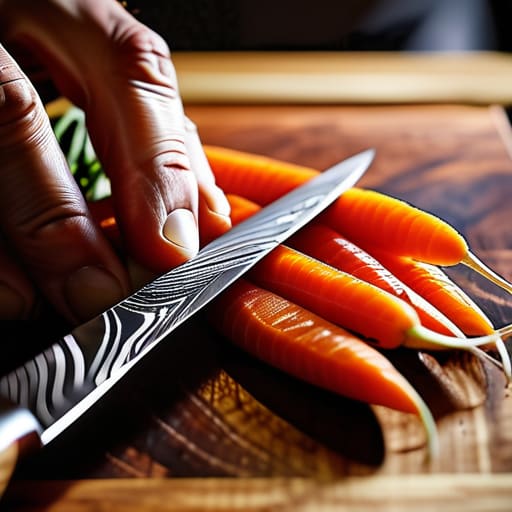
As we pull back from the cutting board, I hope you feel a little more grounded in your culinary rhythm. We’ve journeyed through the mechanics of the perfect pinch grip and moved through the foundational cuts that transform a chaotic pile of vegetables into a cohesive, beautiful prep station. Remember, mastering these skills isn’t about achieving robotic speed or mimicking a high-end Michelin kitchen; it’s about cultivating a sense of control and safety. When you respect the blade and understand the geometry of your ingredients, you aren’t just chopping; you are laying the groundwork for every flavor profile and texture that will define your final dish.
At the end of the day, my time spent in small, family-run bistros has taught me that the best meals aren’t just about the recipe—they are about the intention behind the preparation. Every precise dice and every uniform slice is a small act of mindfulness, a way to honor the ingredients and the people we are feeding. So, don’t be discouraged if your first few attempts feel a bit clumsy or uneven. Cooking is a living, breathing practice, and like any good story, it takes time to find its true cadence. Embrace the imperfections, keep your knives sharp, and most importantly, find the joy in the process of creation.