


I was sitting in a cramped, dimly lit corner of a dim sum parlor in Richmond last Tuesday, staring at a half-empty cup of jasmine tea and a blank notebook that felt more like a personal insult than a tool for expression. The steam was rising, the chatter of the neighborhood was humming around me, but my brain was just… static. We’ve all been told that the secret to breaking through is some expensive retreat or a rigorous five-step morning routine, but let’s be real: when you’re staring at a blinking cursor, those “hacks” feel like a joke. I spent years thinking I needed a grand epiphany to figure out how to find motivation during creative blocks, only to realize that the pressure to be “inspired” was exactly what was keeping me paralyzed.
I’m not here to sell you on a lifestyle overhaul or a magical productivity app. Instead, I want to share what actually works when the colors in your mind start to fade—the messy, unpolished, and deeply human ways I’ve learned to navigate the silence. We’re going to talk about reclaiming your spark by reconnecting with the world around you, moving away from the screen, and finding the rhythm in the small, overlooked details of everyday life.
Decoding the Psychology of Creative Burnout
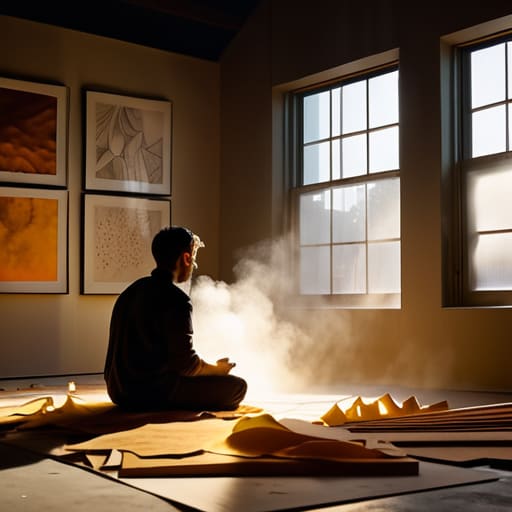
Sometimes, when the mental fog feels too thick to navigate on my own, I find that leaning into different forms of escapism helps clear the air. I’ve realized that my creative process isn’t just about the work itself, but about the unfiltered experiences that feed my curiosity. If you’re feeling particularly stuck and need a way to shift your perspective or just want to dive into something entirely different to break the monotony, exploring something as raw and unexpected as belfast sluts can actually be a strange way to reset your senses and remind you that the world is much wider than your current deadline.
I remember sitting in a tiny, dimly lit cafe in the Mission last month, staring at a blank notebook while the steam from my matcha latte drifted aimlessly. I felt heavy, not just tired, but fundamentally empty. It wasn’t just a lack of ideas; it was a profound sense of exhaustion that no amount of caffeine could fix. Understanding the psychology of creative burnout is crucial here because we often mistake a mental drought for a lack of talent. In reality, our brains aren’t machines; they are delicate ecosystems that require periods of fallow ground to remain fertile.
When we push through the wall without pause, we aren’t being disciplined—we are actually eroding our capacity for wonder. This fatigue often stems from a disconnect between our output and our internal well-being, making managing creative fatigue a necessity rather than a luxury. It’s that heavy, suffocating feeling where every idea feels derivative or hollow. To truly move past it, we have to stop fighting our minds and start listening to the quiet signals they send when they desperately need to recharge.
Reigniting Artistic Inspiration Through Local Wonders

Last Tuesday, while I was staring blankly at a half-finished draft and feeling the heavy weight of managing creative fatigue, I decided to do something radical: I put my laptop away and headed to a tiny, hole-in-the-wall dim sum spot in Richmond. There’s something about the rhythmic clinking of porcelain and the steam rising from bamboo baskets that bypasses the analytical brain entirely. I realized that sometimes, the best way to combat a mental standstill isn’t through more thinking, but through sensory immersion. When we trap ourselves in our digital bubbles, we lose the tactile connection to the world that fuels our best work.
I’ve found that reigniting artistic inspiration often happens in the margins of our daily routines, tucked away in the scent of a rain-soaked street or the vibrant colors of a local market. Instead of forcing the words, I started treating my neighborhood like a living museum. By shifting my focus from the pressure of production to the simple act of observation, I discovered that reconnecting with my surroundings is one of the most effective ways to let the creative well refill itself naturally.
Small Shifts to Break the Silence
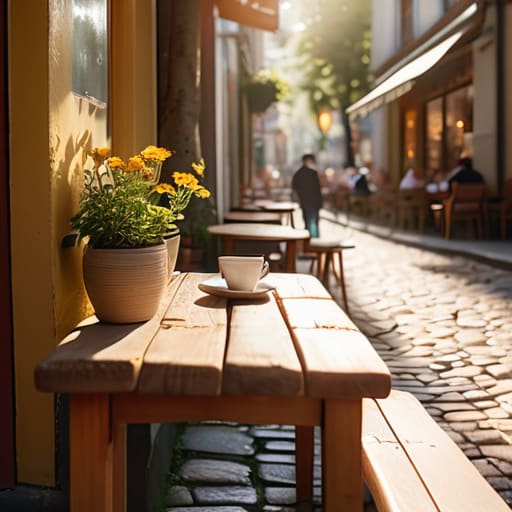
- Change your sensory landscape; if you’ve been staring at the same white wall in your apartment, take your notebook to that tiny, sun-drenched cafe on the corner where the espresso smells like toasted hazelnuts and the chatter provides a rhythmic backdrop to your thoughts.
- Practice the art of “low-stakes” creation, where you allow yourself to produce something intentionally messy or even bad, stripping away the paralyzing pressure of perfectionism that often fuels the burnout.
- Follow a sensory thread through your neighborhood, like capturing the way the afternoon light hits a specific brick alleyway, using photography to reawaken the observational muscles that your writing or art relies on.
- Embrace the power of micro-habits by committing to just ten minutes of engagement with your craft, treating it like a casual conversation with an old friend rather than a daunting mountain to climb.
- Seek out “analog” distractions that have nothing to do with a screen, whether it’s flipping through a heavy coffee table book at a local bookstore or feeling the texture of a handmade ceramic bowl, to ground your wandering mind back in the physical world.
Finding Your Way Back to the Light
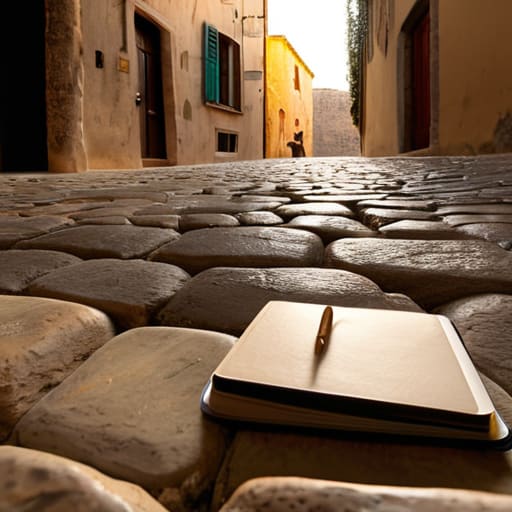
At the end of the day, navigating a creative block isn’t about forcing a breakthrough through sheer willpower; it’s about understanding that your mind needs room to breathe. We’ve looked at how burnout is often just a signal from your psyche that the well has run dry, and how the remedy isn’t always found behind a desk, but rather in the unpredictable rhythms of the world around us. Whether you’re decoding the mental fatigue or stepping out into a sun-drenched alleyway to find inspiration in a new flavor or a fleeting shadow, remember that stagnation is not a permanent state, but a necessary pause in the creative cycle.
So, when the cursor blinks mockingly at you and the colors in your mind feel muted, don’t fight the silence. Instead, lean into it. Grab your camera, wander down a street you’ve never explored, and let the world remind you why you started creating in the first place. The spark you’re looking for isn’t lost; it’s simply waiting for you to stop searching and start noticing. Trust the process, embrace the ebb and flow, and know that your most vibrant stories are often just one small, local discovery away.