
I was sitting in a cramped, dimly lit corner of a hole-in-the-wall dumpling shop in Richmond last Tuesday, watching an elderly woman patiently teach her grandson how to fold dough, when it hit me how much the “self-help” industry gets it wrong. We’ve been sold this glossy, expensive lie that personal evolution requires a $2,000 certification or a grueling, structured curriculum. It’s exhausting, isn’t it? The truth is, the real benefits of lifelong learning for personal growth aren’t found in a sterile classroom or a polished LinkedIn seminar; they’re tucked away in the messy, unscripted moments of curiosity that happen when we actually engage with the world around us.
I’m not here to give you a lecture or a list of productivity hacks that feel like more chores on an already overflowing plate. Instead, I want to share what I’ve gathered from years of chasing stories and stepping into the unknown: a way to view learning as a way of staying alive to the world. I’ll be diving into how embracing small, constant discoveries can actually reshape your perspective and fuel your soul, without the academic pretension.
Unlocking the Mind Neuroplasticity and Adult Learning
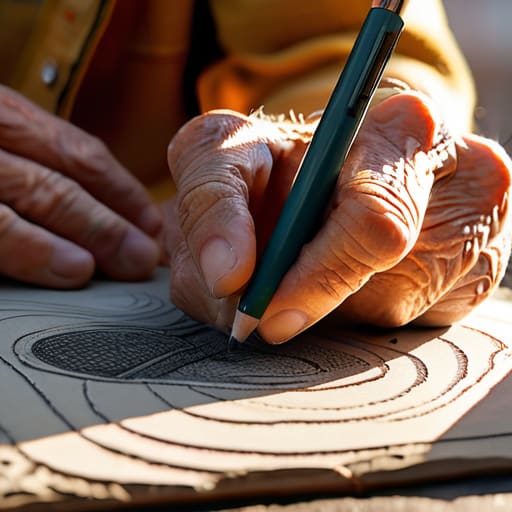
I remember sitting in a cramped, sun-drenched cafe in the Mission last month, watching an elderly man meticulously sketch the intricate patterns of a street mural. He wasn’t a professional; he was just someone who had decided, quite suddenly, to pick up a charcoal pencil at sixty-five. It hit me then that our brains aren’t the static, rigid structures we often assume they are once we leave the classroom behind. Science actually backs this up through the lens of neuroplasticity and adult learning, proving that our neural pathways are remarkably fluid, capable of rewiring themselves no matter our age.
When we challenge ourselves to grasp a new language or decode a complex recipe, we aren’t just killing time; we are physically sculpting our brains. This constant state of novelty fosters a sense of mental agility and lifelong education that keeps the fog at bay. It’s much like how a city evolves—constantly renovating, adding new layers, and finding fresh ways to connect old streets to new neighborhoods. Embracing this cognitive evolution makes the world feel less like a fixed map and more like a living, breathing canvas.
The Psychological Impact of Learning New Things

Beyond the biological rewiring of our brains, there’s a deeper, more soulful shift that happens when we step outside our comfort zones. I remember when I first decided to dive into film photography; I wasn’t just learning about shutter speeds, I was battling a persistent sense of stagnation. There is a profound psychological impact of learning new things that goes far beyond mere utility. It’s about the quiet thrill of the “aha!” moment—that sudden spark when a confusing concept finally clicks. This process acts as a powerful buffer against the monotony of adulthood, injecting a sense of purpose and agency back into our daily rhythms.
When we commit to self-improvement through lifelong learning, we aren’t just collecting facts; we are building emotional resilience. Every time we struggle with a new language or a complex recipe, we are essentially training our minds to handle uncertainty with grace. This constant state of curiosity fosters a unique kind of mental agility and lifelong education, allowing us to navigate life’s inevitable pivots with much more confidence. It turns the world from a fixed, daunting place into a playground of endless possibilities.
Small Ripples, Big Waves: How to Weave Learning into Your Daily Life
- Embrace the “Beginner’s Mindset” and get comfortable with being bad at things. I remember my first attempt at film photography—grainy, blurry, and honestly a bit frustrating—but that awkwardness is exactly where the growth lives. Don’t let the fear of looking foolish stop you from picking up that new instrument or language.
- Follow your curiosity, not just the “useful” stuff. We often feel pressured to learn skills that look good on a LinkedIn profile, but there is a profound, soul-deep joy in learning something purely because it fascinates you, whether it’s the history of street food or how to repair a vintage camera.
- Micro-dose your education. You don’t need to enroll in a full-time degree to evolve; sometimes, the most transformative insights come from a twenty-minute podcast during your morning commute or a single chapter of a book tucked into your bag for the afternoon train ride.
- Find your community of practice. Learning shouldn’t be a solitary trek through a dusty library. Whether it’s a local pottery workshop or an online forum for amateur astronomers, sharing your progress with others turns a personal pursuit into a shared human experience.
- Connect the dots between the new and the known. When you learn something new, try to see how it colors the things you already understand. It’s like adding a new lens to your camera; suddenly, a simple walk through your neighborhood reveals layers of meaning you were completely blind to before.
The Lifelong Journey Ahead
As I sit here in this sun-drenched corner cafe, watching the city pulse with its usual frantic energy, I can’t help but reflect on how much we’ve covered. We’ve looked at the biological magic of neuroplasticity—how our brains literally rewire themselves to accommodate new ideas—and explored how stepping outside our comfort zones acts as a powerful buffer against the weight of the world. It’s clear that learning isn’t just about collecting certificates or adding lines to a resume; it’s about the profound psychological resilience we build when we choose curiosity over stagnation. By embracing the unknown, we aren’t just feeding our intellect; we are actively strengthening the very core of our identity.
So, my challenge to you is this: don’t let your world shrink. Whether it’s finally picking up that vintage film camera, learning the nuances of a new language, or simply diving into a history book about a neighborhood you pass every single day, keep seeking those sparks. Life is far too vibrant to be lived through a single, static lens. When we commit to being perpetual students, we ensure that our personal story remains a living, breathing masterpiece that never stops evolving. Go out there and find your next lesson—I promise you, the world is waiting to teach you something beautiful.
If you’re feeling a bit overwhelmed by the sheer scale of everything you want to dive into, I’ve found that the secret isn’t in the volume of information, but in finding meaningful connections within your own environment. Sometimes, the most profound lessons don’t come from a textbook, but from stepping out of your comfort zone and engaging with the raw, unfiltered pulse of the world around you. For instance, I’ve often found that exploring the nuances of human connection in different settings—much like seeking out casual encounters atlanta—can offer a unique, lived perspective that no lecture could ever replicate. It’s about that unexpected spark of discovery that happens when you stop observing life from the sidelines and actually start participating in its beautiful, messy complexity.