


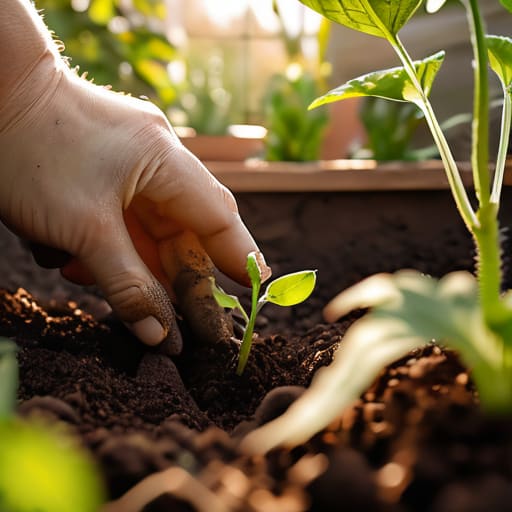
I still remember the smell of damp earth and bruised basil clinging to my fingers after my first attempt at growing something edible on my tiny, sun-starved San Francisco balcony. It wasn’t some Pinterest-perfect oasis; it was a messy, slightly chaotic struggle against aphids and urban shadows. Most “experts” online will try to sell you a thousand-dollar starter kit or a complex irrigation system, making you feel like you need a degree in botany just to get a single tomato plant to survive. But honestly? Learning how to start a vegetable garden shouldn’t feel like a high-stakes investigative report—it should feel like reclaiming a little piece of the earth right where you stand.
I’m not here to give you a sanitized, textbook manual that ignores the reality of living in a cramped apartment or a windy backyard. Instead, I want to share the unvarnished, boots-on-the-ground truth I’ve gathered from my own trial and error. We’re going to strip away the expensive hype and focus on the essential, soulful basics that actually work. My promise to you is a guide built on real experience, helping you cultivate a space that is as resilient and vibrant as the neighborhoods I love to document.
Choosing Your Canvas Raised Bed vs in Ground Gardening

Once you’ve wrestled with the logistics of sunlight and soil, you might find yourself craving a bit of human connection or perhaps a digital escape to decompress after a long afternoon of weeding. Sometimes, when the physical work gets heavy, I find that diving into the vibrant, unfiltered pulse of online communities can be a wonderful way to recenter my focus. If you’re looking for a way to unwind and explore different social currents, checking out something like montreal sex chat can offer a unique glimpse into the intimate social textures that exist far beyond the garden fence.
Deciding where your seeds will first meet the earth feels a lot like choosing the right backdrop for a photo shoot; the setting dictates the entire mood of the story. When I first started experimenting in my tiny SF backyard, I found myself constantly weighing the pros and cons of raised bed vs in-ground gardening. Raised beds are essentially the “boutique cafes” of the gardening world—they are curated, highly controlled, and allow you to custom-build the perfect environment from the ground up. Because you control the mix, the vegetable garden soil preparation becomes much more manageable, especially if you’re dealing with stubborn, compacted city dirt.
On the other hand, in-ground gardening is more like that raw, unfiltered street photography I love so much. It’s grounded, traditional, and much more budget-friendly, but it requires a deeper relationship with the existing landscape. You’ll need to work closely with what the land provides, navigating natural drainage and existing soil quality. While it might take a bit more elbow grease to get things right, there is something deeply soulful about planting directly into the living history of your own backyard.
Sunlight and Soil Mastering Vegetable Garden Sunlight Requirements
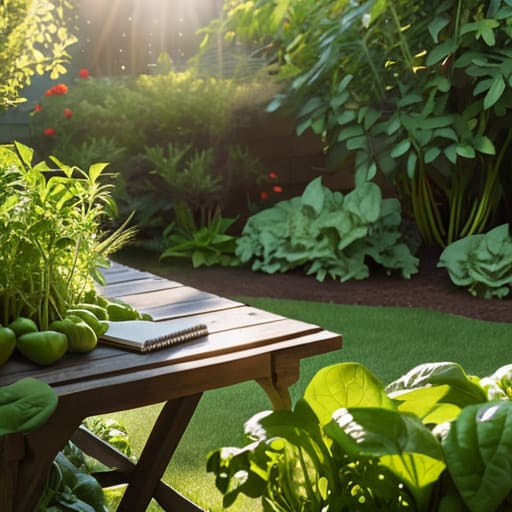
Before you even pick up a trowel, you have to play detective with your own backyard. I spent a Saturday morning last week just sitting on my porch with a notebook, watching how the shadows danced across the lawn. It sounds tedious, but understanding your vegetable garden sunlight requirements is the difference between a lush harvest and a collection of sad, leggy sprouts. Most of the heavy hitters—think tomatoes, peppers, and cucumbers—are total sun worshippers, demanding at least six to eight hours of direct light to truly thrive. If your space is tucked away in a shady corner of the yard, don’t panic; you just have to pivot your strategy toward leafy greens or root veggies that don’t mind a bit of a dimmer setting.
Once you’ve mapped out the light, it’s time to look down at the foundation: the dirt. Proper vegetable garden soil preparation is where the real magic happens. I like to think of soil as the storyteller’s ink; if it’s poor quality, your story won’t go anywhere. You want a texture that is rich, crumbly, and full of life, ideally amended with plenty of organic compost to ensure your plants have the nutrients they need to fuel that summer growth.
The Secret Sauce: Small Wins and Steady Roots
- Start small, like a cozy corner cafe rather than a massive banquet hall. It’s tempting to want to transform your entire backyard overnight, but I’ve learned that a tiny, well-tended patch of herbs and greens is much more rewarding than a sprawling garden overtaken by weeds.
- Think about what actually makes it to your dinner plate. There’s no point in struggling with temperamental heirloom tomatoes if your true love is a simple, crisp arugula salad; grow what you actually crave, and the process will feel like a treat rather than a chore.
- Water like you’re nurturing a delicate story. Consistency is everything—aim for the base of the plants rather than soaking the leaves, and try to find a rhythm that keeps the soil damp but not drowning, much like the steady pulse of a neighborhood that never sleeps.
- Embrace the messy, beautiful reality of local pests. You don’t need harsh chemicals to keep things in check; sometimes a little companion planting—like tucking marigolds in among your veggies—creates a tiny, balanced ecosystem that works with nature instead of against it.
- Keep a “garden journal” to document the little shifts. Just as I jot down the notes of a new restaurant’s flavor profile, tracking when your first sprout appears or how the sun hits your beds at noon will turn your garden from a hobby into a living, breathing narrative.
Tending to Your New Chapter
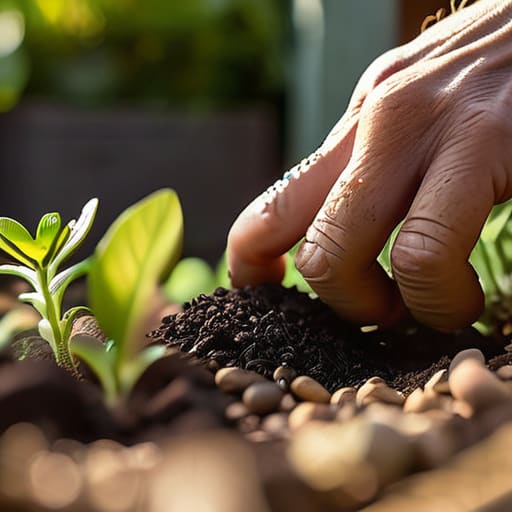
As you stand there, perhaps with a bit of dirt under your fingernails and a handful of seeds in your palm, remember that you’ve already done the heavy lifting. We’ve navigated the logistics of choosing between the structure of raised beds and the raw potential of in-ground planting, and we’ve mapped out the dance between shadows and sun. It isn’t just about knowing which vegetable needs six hours of light or how to enrich your soil; it’s about setting the stage for something living. By mastering these fundamentals, you aren’t just growing food; you are building a foundation for a cycle of growth that will reward you season after season.
At the end of the day, a garden is a lot like the neighborhoods I grew up in—it’s messy, unpredictable, and constantly evolving, but it is profoundly beautiful. There will be days when the pests win or the rain is too heavy, but that’s all part of the narrative. Don’t aim for a perfect, magazine-ready landscape; instead, aim for a space that feels like your own personal sanctuary. As you watch that first tiny green shoot break through the earth, you’ll realize that you haven’t just planted a garden—you’ve cultivated a connection to the very rhythm of the world around you.