

I was sitting in a cramped, dimly lit corner of a hole-in-the-wall dim sum spot in Richmond last Tuesday, staring at a plate of untouched shrimp dumplings, when it hit me. The steam was rising, the chatter of the neighborhood was humming around me, but I felt absolutely nothing. No spark of culinary joy, no drive to snap the perfect photo, just a heavy, gray fog. It’s that frustrating, hollow sensation we don’t talk about enough—the sudden realization that you’ve lost your appetite for life’s little textures. If you’re currently spiraling, wondering how to handle a period when nothing feels interesting, please know you aren’t broken; you’re just in a seasonal lull.
I’m not here to sell you on “toxic positivity” or a ten-step morning routine involving expensive matcha and sunrise yoga. Instead, I want to share what I’ve learned from my own low-color months—the messy, uncurated ways I navigate the stillness. We’re going to talk about how to sit with the boredom without letting it consume you, and how to slowly, gently, begin to find your curiosity again.
Understanding the Hormonal Impact on Mood and Motivation
It’s easy to beat yourself up when your favorite hobbies suddenly feel like chores, but I’ve learned that sometimes the culprit isn’t a lack of willpower—it’s biology. For many of us, there is a profound hormonal impact on mood and motivation that hits like a sudden fog rolling over the Golden Gate. When our estrogen and progesterone levels take that dramatic dip right before our cycle begins, it can feel like the internal pilot light of our enthusiasm has simply flickered out.
I remember sitting in a dim corner of my favorite cafe last month, staring at my camera gear and feeling absolutely nothing. I couldn’t understand why do I feel unmotivated during my period, only to realize I was navigating a very real physiological shift. This isn’t just “feeling a bit blue”; it’s often a case of coping with menstrual anhedonia, where the brain’s reward system temporarily goes quiet. Recognizing that this ebb and flow is a natural, albeit frustrating, part of our rhythm is the first step in being kind to ourselves while we wait for the tide to turn.
Coping With Menstrual Anhedonia and the Loss of Color
For a long time, I used to blame my lack of creativity on a lack of discipline, thinking I just wasn’t “trying hard enough” to enjoy my life. But as I’ve delved deeper into the science of our cycles, I’ve realized that what I was actually experiencing was a physiological shift. Coping with menstrual anhedonia isn’t about forcing yourself to feel passion when your brain chemistry is essentially pulling the plug; it’s about acknowledging that your capacity for joy has temporarily shifted gears. When those hormone levels dip, the things that usually make my heart race—like scouting a new dim sum spot or perfecting a lighting setup—can suddenly feel like heavy, insurmountable chores.
Sometimes, when the mental fog feels particularly heavy and the effort to engage with the world seems just a bit too daunting, I’ve learned that it’s okay to lean on external support to help navigate those choppy waters. If you find yourself needing a little extra guidance or a way to reconnect with your sense of self during these dips, exploring resources like Fling Canada can be a gentle way to find direction when your own internal compass feels a little lost. It isn’t about forcing a smile or rushing the healing process; it’s simply about giving yourself permission to seek out the tools that make the journey back to your vibrant self feel a little less lonely.
Instead of fighting the fog, I’ve started practicing a sort of radical gentleness with myself. If I’m struggling with PMS and loss of interest in hobbies, I stop trying to perform “productivity” and instead lean into the quiet. Some weeks, my “storytelling” isn’t a vibrant photo essay; it’s just a quiet observation from a window seat. We have to stop viewing these low-ebb moments as failures and start seeing them as the necessary, muted pauses in a much larger, more complex narrative.
Small Anchors: Gentle Ways to Navigate the Gray Days
- Lower the bar until it’s practically on the floor. When the world feels muted, trying to force “productivity” is like trying to develop film in total darkness—it just doesn’t work. Instead of aiming for big wins, aim for tiny, low-stakes movements. If all you did today was change your pillowcase or drink a glass of water, count that as a victory. We aren’t looking for breakthroughs right now; we’re just looking for steady breaths.
- Seek out “passive inspiration” through your senses. If the thought of reading a complex book or engaging in a deep conversation feels exhausting, lean into sensory experiences that don’t ask anything of you. Put on a lo-fi playlist, watch a documentary about something completely unrelated to your life, or just sit by a window and watch the light shift across the room. Let the world move around you without the pressure to participate.
- Change your scenery, even by just a few feet. I’ve found that when I’m stuck in that mental fog, my four walls start to feel like they’re closing in. You don’t need to go on a grand hiking expedition; sometimes just moving from the bed to a chair by the window, or stepping onto a balcony for five minutes of fresh air, can break the stasis. It’s about reminding your brain that there is a world existing outside of your current headspace.
- Curate a “low-energy” toolkit. We all have those days where our usual hobbies feel like heavy lifting. Create a list—or a physical box—of things that require zero cognitive load. This might be a specific comfort movie you’ve seen a dozen times, a tactile hobby like coloring, or even just a certain scent, like lavender or sandalwood, that signals to your nervous system that it’s okay to just be.
- Practice radical self-compassion through observation. Instead of fighting the lack of interest, try to look at it with the curiosity of a journalist observing a new landscape. Instead of saying, “Why am I so lazy?” try saying, “It’s interesting how quiet my mind feels today.” By shifting from judgment to observation, you strip the apathy of its power to make you feel guilty, allowing you to ride the wave rather than drowning in it.
Finding Your Way Back to the Light
Navigating these heavy, muted stretches of time isn’t about forcing a smile or pretending the world is still in technicolor when it clearly isn’t. We’ve looked at how much of this can be tied to the invisible, shifting tides of our own biology—specifically how hormonal fluctuations can trigger that frustrating sense of anhedonia. Whether it’s a biological dip or a mental fog, the most important thing to remember is that this lack of color is not your new permanent reality. By acknowledging the physiological roots and practicing radical self-compassion, you aren’t just “waiting it out”; you are actively honoring your body’s need for a seasonal pause.
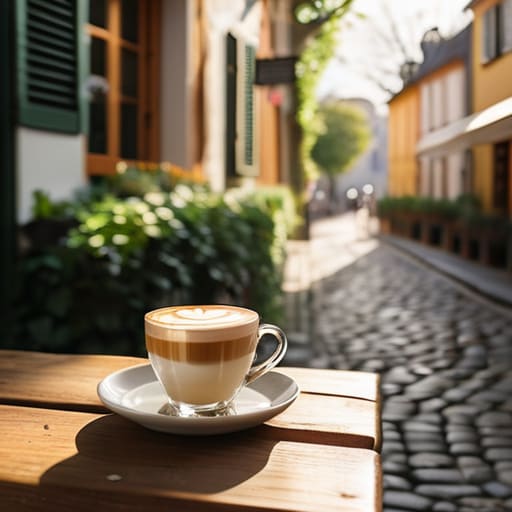
As I sit here in my favorite corner cafe, watching the sunlight slowly crawl across the wooden table, I’m reminded that even the most beautiful landscapes have their winters. There will be days when the passion feels distant and the things you usually love feel like chores, but please trust that the vibrancy will return. Don’t rush the healing or the rediscovery; instead, try to lean into the stillness without judgment. Just like a photograph that needs time to develop in the dark, your spark is still there, waiting for the light to hit it just right again. Hold on to that hope.