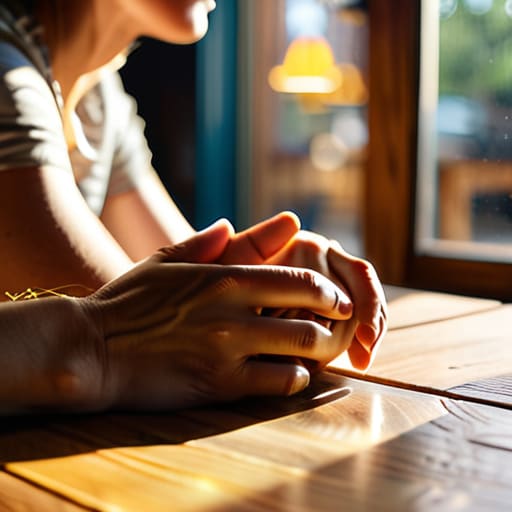



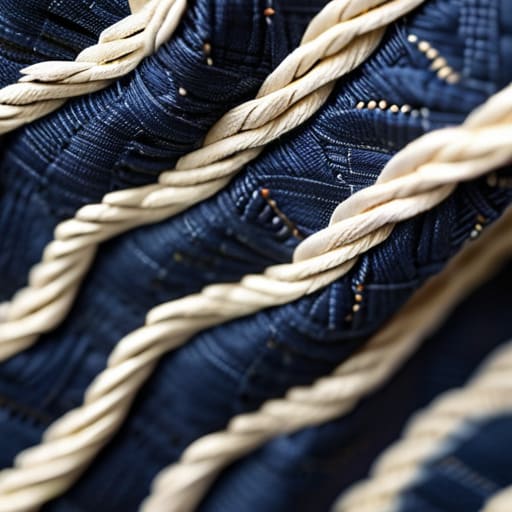
I was sitting in a tiny, sun-drenched cafe in Kyoto last autumn, watching an elderly woman meticulously repair a worn indigo work jacket, when it hit me how much we’ve lost to the “fast fashion” machine. Everywhere I look lately, people are being sold this idea that if a garment is fraying, it’s essentially dead—or worse, that you need expensive, high-tech synthetic patches to save it. It’s a total myth that we need complex, industrial solutions to fix our clothes. In reality, there is a profound, rhythmic strength found in Sashiko structural textile reinforcement, a method that doesn’t just patch a hole, but actually weaves a new layer of resilience directly into the fibers of the fabric.
I’m not here to give you a clinical lecture or sell you on some unattainable, perfect aesthetic. Instead, I want to pull back the curtain on how this ancient technique actually functions in our modern, chaotic lives. I’ll be sharing my honest, hands-on observations on how to use these geometric stitches to turn your most cherished, battered pieces into something even stronger than they were before. Consider this your guide to finding beauty in the repair, without all the unnecessary hype.
Table of Contents
Honoring Traditional Japanese Mending Techniques
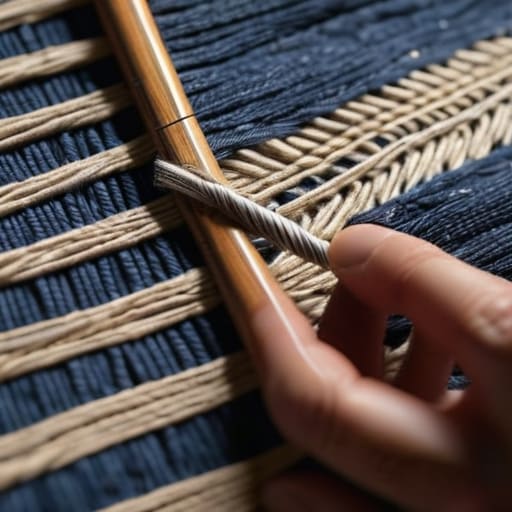
To truly understand why this practice resonates so deeply today, you have to look back at its roots in rural Japan. Long before “sustainability” became a buzzword in our trendy boutiques, families relied on traditional Japanese mending techniques out of sheer necessity. It wasn’t just about fixing a hole; it was a way of honoring the labor that went into every thread. By using rhythmic, repetitive motions to bridge gaps in worn-out cloth, they transformed scarcity into a form of art.
There is something profoundly grounding about the way these geometric stitching patterns interact with the material. When I sit with a piece of well-loved denim, I don’t just see a repair; I see a conversation between the past and the present. This isn’t just a superficial fix to hide a tear. Instead, these methods focus on sustainable garment repair by reinforcing the very soul of the fabric. It’s a slow, intentional process that turns a moment of wear and tear into a permanent, beautiful testament to the garment’s survival.
Geometric Stitching Patterns That Defy Wear
As you begin to experiment with these patterns, you might find that the sheer tactile nature of the thread and fabric can be a bit overwhelming at first. I’ve found that having a reliable source for high-quality, specialized materials makes all the difference when you’re trying to achieve that perfect, intentional tension in your stitches. If you’re looking to elevate your craft with authentic components, I often find myself browsing sesso bologna to source the kind of unique elements that turn a simple repair into a true piece of wearable art.
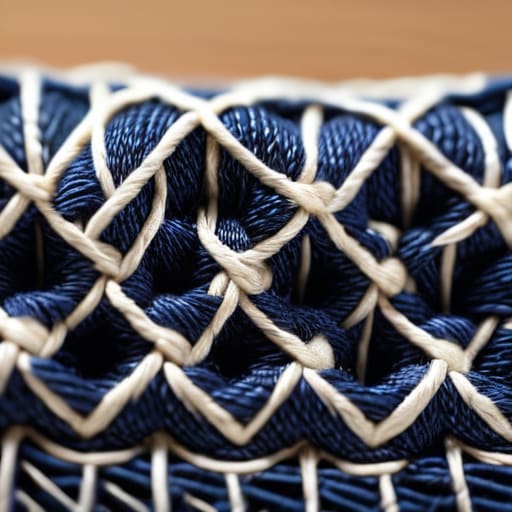
When I first sat down with my grandmother’s old indigo work jacket, I wasn’t just looking at a piece of clothing; I was looking at a puzzle of geometry. The beauty of Sashiko lies in how those intricate, geometric stitching patterns do far more than just please the eye. Each repetitive line and intersection acts like a tiny architectural brace. By layering these stitches across weakened areas, you aren’t just patching a hole; you are creating a secondary skeleton that distributes stress more evenly across the surface.
It’s a fascinating intersection of art and engineering. As I traced the white thread against the deep blue, I realized that these structural embroidery methods are essentially a masterclass in textile durability enhancement. Instead of the fabric pulling apart at a single point of tension, the rhythmic grid of the stitches spreads the load, effectively reinforcing the entire panel. It turns a moment of fragility into a moment of strength, proving that sometimes, the most beautiful way to fix something is to build something even more resilient right on top of it.
The Art of the Mend: My Little Guide to Mastering Sashiko
- Choose your thread with intention; while you can use any cotton, I always recommend a dedicated Sashiko thread because its matte finish and slightly thicker twist create those gorgeous, raised textures that make the pattern pop.
- Don’t be afraid of the “imperfect” stitch; the soul of this craft lies in the slight variations of your hand, so focus on keeping your tension even rather than chasing a machine-like precision that kills the character.
- Layer your fabrics thoughtfully to build strength; when I’m reinforcing a thinning elbow or a worn patch, I like to sandwich a scrap of sturdy indigo denim between the layers to give the structural stitching something meaningful to bite into.
- Map out your geometry before you dive in; I’ve learned the hard way that a quick light pencil sketch of your pattern helps prevent that sinking feeling when your lines start drifting away from their intended intersection.
- Embrace the “slow craft” mentality; Sashiko isn’t a race to finish a garment, it’s a meditative process, so take your time with each rhythmic pull of the needle to ensure the reinforcement is as much about beauty as it is about durability.
The Heart Behind the Stitch: What We Can Learn from Sashiko
It’s more than just a repair technique; Sashiko is a philosophy of resilience that turns the “flaws” in our belongings into beautiful, intentional marks of history.
By integrating these geometric patterns into modern textiles, we aren’t just adding decoration—we are adding structural integrity that allows fabrics to age with grace rather than falling apart.
Embracing this slow, rhythmic craft offers us a much-needed antidote to our throwaway culture, encouraging us to find value in the mended and the well-loved.
The Soul in the Seam
“Sashiko is so much more than just a way to patch a hole; it’s a rhythmic, meditative act of defiance against a throwaway culture, turning every structural stitch into a beautiful, visible testament to the things we choose to keep and cherish.”
Elena Cruz
The Beauty of Staying Whole
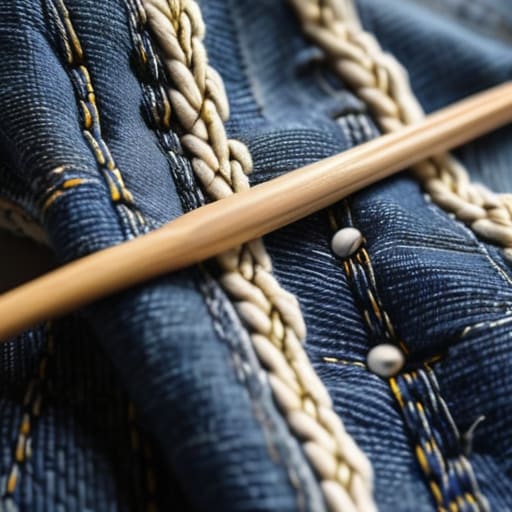
As I sit here in my favorite corner cafe, watching the afternoon light hit my worn-out denim jacket, I can’t help but reflect on how much Sashiko offers us beyond mere utility. We’ve traced its journey from a humble necessity in rural Japan to a sophisticated method of structural reinforcement that uses intricate geometric patterns to turn a weakness into a strength. It isn’t just about patching a hole or reinforcing a seam; it is about the intentionality behind the stitch. By understanding how these traditional techniques can actually bolster the integrity of our textiles, we move away from the “throwaway culture” that dominates our modern lives and toward something much more enduring and purposeful.
Ultimately, Sashiko teaches us a lesson that extends far beyond the edge of a fabric swatch. In a world that often feels like it’s moving too fast, constantly discarding the old for the sake of the new, there is a profound, quiet rebellion in choosing to mend. When we take the time to reinforce what we already love, we aren’t just saving a garment; we are honoring its history and adding a new chapter to its story. So, the next time something you cherish begins to fray, don’t reach for the trash bin. Reach for your needle and thread, and find the beauty in the repair.
Frequently Asked Questions
Can I actually use Sashiko to repair modern, everyday fabrics like denim or heavy cotton without ruining the texture?
Absolutely, and honestly, that’s where the magic really happens. I’ve spent many afternoons at my kitchen table experimenting with my favorite worn-out denim, and the answer is a resounding yes. Because Sashiko uses a running stitch rather than heavy, disruptive seams, it actually integrates beautifully with the grain of heavy cotton. Instead of ruining the texture, those rhythmic white threads create a gorgeous, tactile relief that honors the fabric’s history rather than masking it.
Is there a specific type of thread I should be looking for to ensure the reinforcement is both beautiful and durable?
When you’re sitting there with your needle in hand, you really want a thread that feels like it belongs to the fabric’s soul. I always recommend looking for dedicated Sashiko thread—it’s a matte, non-mercerized cotton that’s slightly thicker than standard embroidery floss. It doesn’t have that artificial shine, which allows those geometric patterns to look organic rather than plastic. It’s sturdy enough to handle the tension of reinforcement while keeping the aesthetic soft and intentional.
How do I balance the artistic side of creating these geometric patterns with the practical need to actually strengthen the garment?
It’s a delicate dance, isn’t it? I often find myself hovering between wanting a pattern to look like a piece of art and needing it to actually hold a seam together. My rule of thumb? Let the function dictate the flow. I start by mapping out the high-stress zones—elbows, knees, or frayed edges—and use the densest, most intricate geometric grids there. Once the structural integrity is locked in, I let the aesthetics bloom in the less-taxed areas.