


I once bought a shirt at a fast fashion chain, feeling like an eco-warrior because it was part of their “conscious collection.” Turns out, if you dig a little deeper, “conscious” often translates to “consciously misleading.” I wore that shirt for about a week before realizing the irony: there I was, trying to be ethical on a budget, while supporting a system that treats workers like disposable parts. It was like trying to put out a fire with a garden hose. Cue the existential crisis in the middle of the mall.
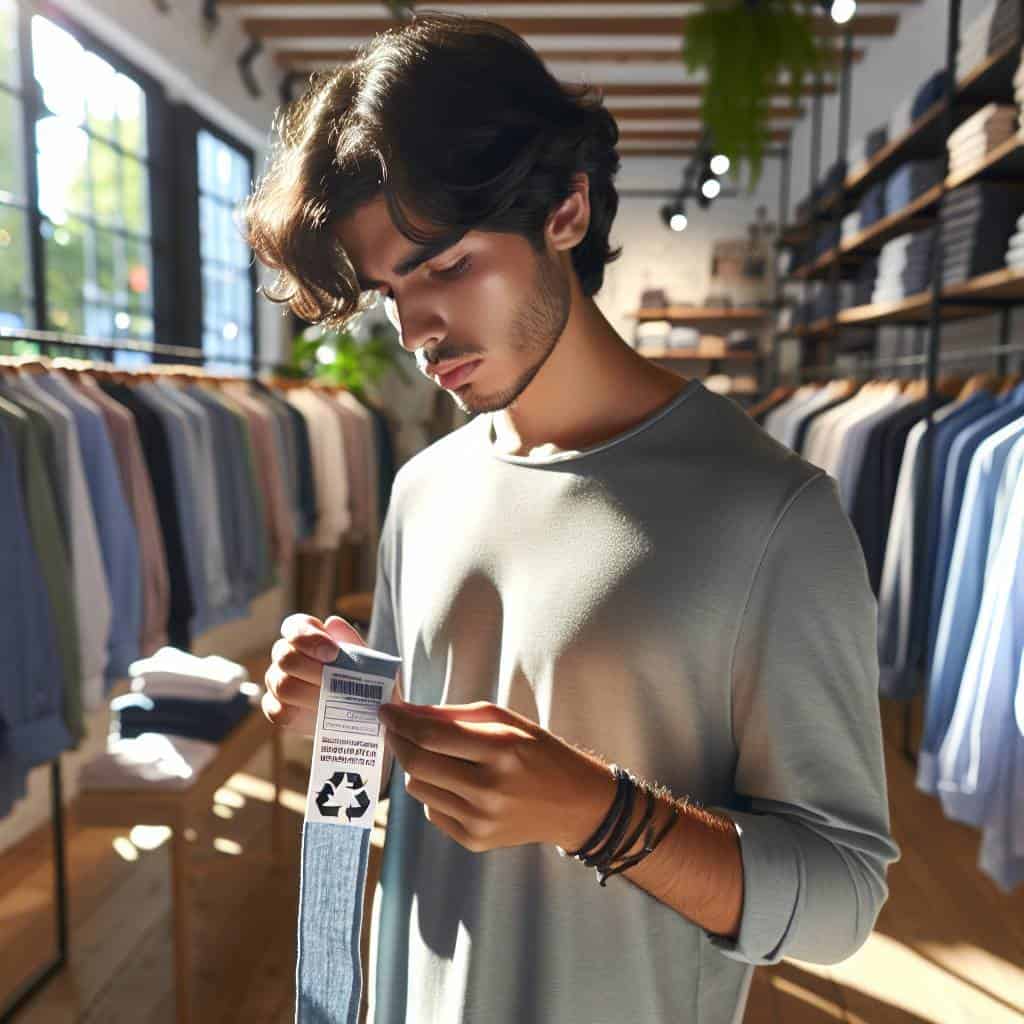
So here we are, ready to unravel the messy truth of ethical fashion. Buckle up, because we’re diving into the nitty-gritty of what it really means to dress like you give a damn. From the pitfalls of fast fashion to the promises of sustainable materials, fair labor, and yes, even the joys of second-hand shopping. Let’s cut through the crap and figure out how not to be walking contradictions in our own wardrobes.
Table of Contents
An Introduction to what is ethical fashion and why it matters

Alright, let’s dive into the tangled threads of ethical fashion. Picture this: you’re strutting around in your latest trendy getup, feeling like you just stepped off a runway. But here’s the kicker—what if that outfit is stitched with the silent screams of exploited workers, and the fabric is drenched in the unsustainable practices of fast fashion? Not exactly the look you were going for, right? Ethical fashion is about peeling back that glossy veneer and asking, “Who made my clothes?” It’s about giving a damn that someone halfway across the globe isn’t paying the price for your style choices with their dignity or their health.
Now, let’s talk about why this matters more than ever. We live in a world where fast fashion churns out cheap, disposable clothing like it’s going out of style—ironically. This isn’t just a fashion faux pas; it’s an environmental and social crisis wrapped in polyester. By opting for ethical fashion, you’re choosing materials that don’t poison our planet and labor practices that don’t exploit human beings. And let’s not forget the second-hand scene. Shopping second-hand is like a treasure hunt where the gems are guilt-free and the stories are rich. When you make these choices, you’re voting with your wallet for a future that values humans and the earth over corporate greed. So, next time you’re tempted by that too-good-to-be-true sale, remember you’re not just buying clothes—you’re buying into a system. Make sure it’s one you can stand behind.
Ethical Fashion: Let’s Ditch the Hypocrisy and Get Real

- Fast fashion is like that greasy burger you regret eating—cheap, convenient, and terrible for everyone involved.
- Sustainable materials aren’t just a buzzword; they’re a lifeline for a planet that’s begging us to stop treating it like a landfill.
- Fair labor isn’t a luxury; it’s a basic human right. If you’re okay with someone else suffering for your wardrobe, maybe it’s time for a moral inventory.
- Shopping second-hand isn’t just for hipsters and thrift store junkies; it’s a smart, ethical way to keep your closet and conscience clean.
- Every dollar you spend is a vote. Make sure you’re voting for a world you’d actually want to live in.
Ethical Fashion: Ditching the Fast Lane for the Real Deal
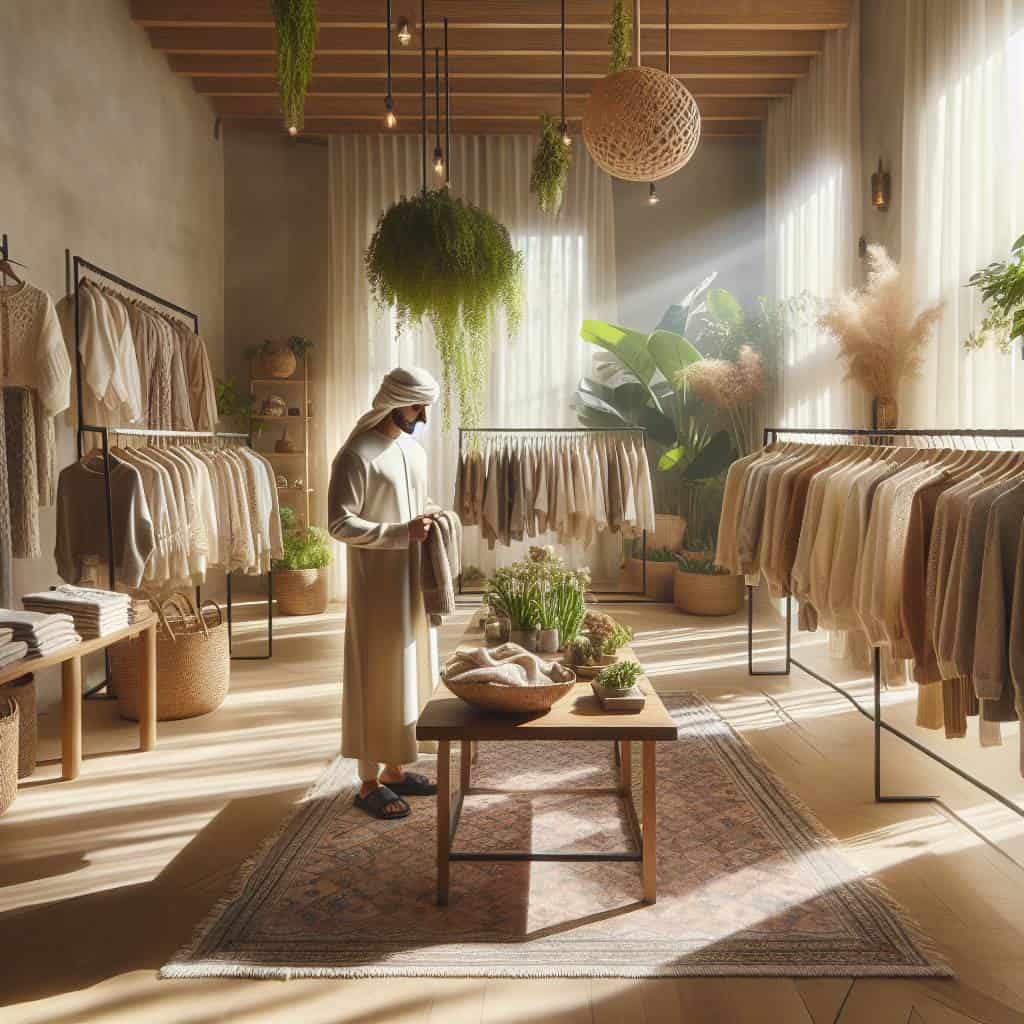
Fast fashion is the junk food of clothing. It might satisfy a quick craving, but it’s terrible for your long-term health—and the planet’s.
Sustainable materials aren’t just buzzwords; they’re a lifeline. If your shirt could talk, it should have a story worth telling, not one of exploitation.
Shopping second-hand isn’t just for hipsters and bargain hunters. It’s a quiet rebellion against a system that thrives on waste and disposability.
The Unraveled Truth
Ethical fashion isn’t a trend; it’s a rebellion against the fast-fashion charade. It’s about saying no to disposable clothes and yes to the dignity of labor and the planet.
Unraveling Ethical Fashion: Your Burning Questions Answered
What’s the deal with fast fashion versus ethical fashion?
Fast fashion is the fast food of clothing—cheap, quick, and bad for everyone involved. Ethical fashion, on the other hand, is like dining at a restaurant where the chef actually cares about the ingredients and the people in the kitchen. It’s about taking a stand against the disposable culture that exploits workers and pollutes the planet.
Why should I care about sustainable materials?
Because wearing a shirt made from sustainable materials means you’re not part of the environmental wrecking crew. It’s about choosing fabrics that won’t choke the planet. Cotton grown without drowning the soil in chemicals, or recycled fibers that don’t end up in the ocean. It’s a small choice with a big impact.
Is shopping second-hand really part of ethical fashion?
Absolutely. Thrift stores are the unsung heroes of ethical fashion. By buying second-hand, you’re giving clothes a second life and keeping them out of landfills. Plus, it’s a treasure hunt for unique pieces that haven’t been mass-produced by underpaid workers. It’s eco-friendly and wallet-friendly—what’s not to love?
Weaving Truths Into Threads
So here we are, standing at the crossroads of conscience and consumption. It’s been a wild ride, digging into the tangled web of ethical fashion. I started this journey with my eyes half-open, thinking I knew the score. Sustainable materials, fair labor, second-hand shopping… all those buzzwords we toss around like confetti at a parade. But as I peeled back the layers, I realized this isn’t just about what fabric makes up your favorite tee. It’s about who you become when you choose to care.
The truth is, fast fashion has always been the easy out—cheap thrills for a quick fix. But maybe it’s time to slow down and ask ourselves some hard questions. Why are we still buying into a system that treats people and the planet like disposable commodities? Maybe it’s because we didn’t know any better. Or maybe we were just too comfortable. Either way, my closet’s got some explaining to do, and I’m guessing yours might too. Let’s start making choices that reflect who we really are—or at least who we want to be. After all, the threads we wear should weave a story worth telling.
So here we are, navigating the tangled web of ethical fashion and what it truly means to wear your values on your sleeve. Now, you might think, how does this link to the vibrant world of Putas de Murcia? Well, it’s about authenticity, folks. Just as we seek out clothing that aligns with our principles, we crave genuine connections in every facet of life. Whether it’s the fabric you choose or the people you meet, nothing beats the real deal. So, if you’re ever in Murcia, Spain, remember that connecting with people who live life with the same unapologetic honesty isn’t just refreshing—it’s necessary for keeping it real in a world full of pretense.