

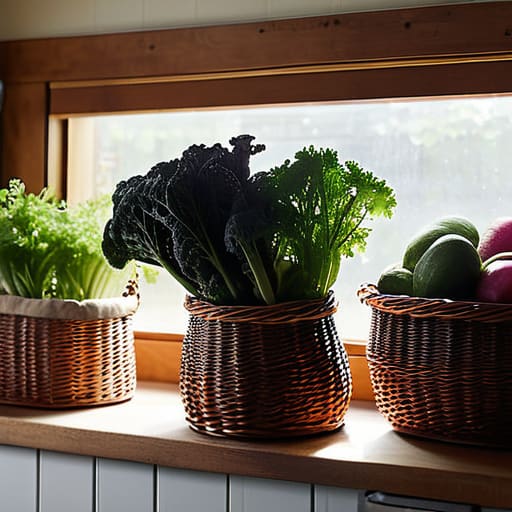
I was standing in my kitchen last Tuesday, staring down a bag of wilted, slimy spinach that I’d bought with such high hopes only three days prior, and I felt that familiar surge of frustration. We’ve all been there, haven’t we? We buy into the hype of expensive, high-tech vacuum sealers or those “revolutionary” airtight containers that promise to freeze time, only to find ourselves tossing expensive produce into the compost bin anyway. It feels like the wellness industry has turned something as simple as food preservation into this overcomplicated science project that requires a PhD and a massive budget. Honestly, I think we need to stop chasing the gadgets and start looking at the best ways to store fresh vegetables through the lens of common sense and actual, lived experience.
I’m not here to sell you on a lifestyle brand or a kitchen gadget you don’t need. Instead, I want to share the gritty, unpolished methods I’ve gathered from years of navigating local farmers’ markets and observing the quiet wisdom of the neighborhood cooks who truly know their ingredients. I promise to give you a no-nonsense guide to keeping your produce vibrant and alive, focusing on simple, tactile shifts that respect both your time and your wallet.
Mastering Refrigerator Organization for Produce
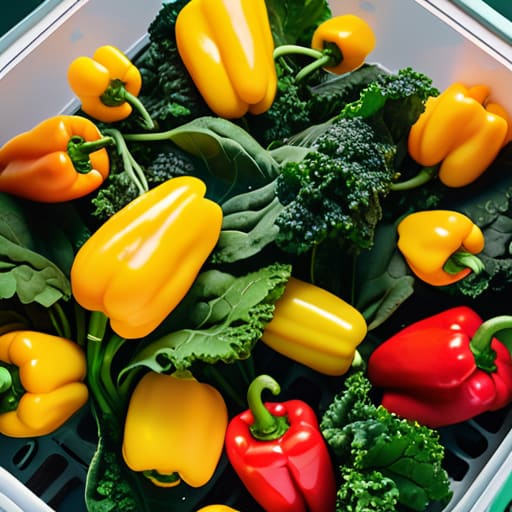
I used to treat my crisper drawers like a “catch-all” bin for whatever survived the farmers’ market run, but I quickly learned that chaos is the enemy of freshness. Effective refrigerator organization for produce is less about aesthetics and more about creating a controlled ecosystem. I’ve found that the secret lies in understanding the different microclimates within your fridge. Most modern units have adjustable humidity settings, and mastering this is a total game-changer for preventing vegetable spoilage. High humidity is your best friend for leafy greens that crave moisture, while low humidity helps keep things like peppers from getting that unappealing, slimy texture.
One thing I always remind my friends is to be mindful of the “silent neighbors” in your veggie drawer. Some items, like apples or avocados, are heavy hitters when it comes to ethylene gas producing fruits and vegetables, which can inadvertently cause your broccoli or cucumbers to age prematurely. I like to separate these “gas-emitters” from my more sensitive greens to ensure everything stays vibrant. It’s a small, mindful adjustment that makes my weekly meal prep vegetable preservation feel so much more successful.
The Secret Dance of Ethylene Gas Producing Fruits and Vegetables
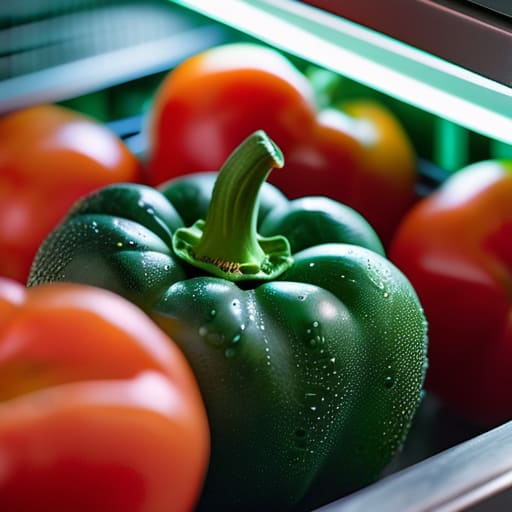
If there’s one thing my time spent documenting small-scale organic farmers has taught me, it’s that your crisper drawer is actually a tiny, invisible battlefield. We often think of produce as passive ingredients, but they are actually breathing, living things. Some of them, specifically the ethylene gas producing fruits and vegetables like apples, avocados, and tomatoes, act like little chemical signalers. They release this gas as they ripen, which essentially tells every neighbor in the drawer, “Hey, it’s time to age up!”
I’ve seen so many beautiful, vibrant greens turn to mush overnight simply because someone tucked a ripe peach next to a head of romaine. It’s a silent, microscopic drama. To master preventing vegetable spoilage, you have to act as a bit of a mediator in this chemical dance. I’ve learned to keep my “gas-heavy” fruits in a separate zone—or even better, on the counter—while keeping my delicate greens tucked away in a controlled environment. It’s a small adjustment, but it makes all the difference in honoring the life of the food we bring home.
Small Rituals for a Vibrant Kitchen: My Go-To Preservation Hacks
- Treat your leafy greens like delicate heirlooms; I’ve found that wrapping them in a slightly damp paper towel before tucking them into a reusable silicone bag keeps them crisp and prevents that sad, wilted look by mid-week.
- Give your root vegetables some breathing room—potatoes and onions are much happier in a cool, dark pantry rather than being crowded in a plastic bag, which tends to trap moisture and invite unwanted decay.
- Embrace the “wash only when ready” rule; while it’s tempting to prep everything the moment I get home from the farmer’s market, keeping moisture away from your veggies until right before you cook is the real secret to longevity.
- Don’t overlook the power of the herb jar; I treat my cilantro and parsley like a fresh bouquet, keeping their stems submerged in a small jar of water in the fridge to maintain that bright, aromatic life.
- Master the art of the moisture check; every few days, I take a moment to peek into my crisper drawer, looking for any stray droplets or soft spots, because catching one bruised tomato early can save the whole batch from going south.
Bringing the Harvest Home
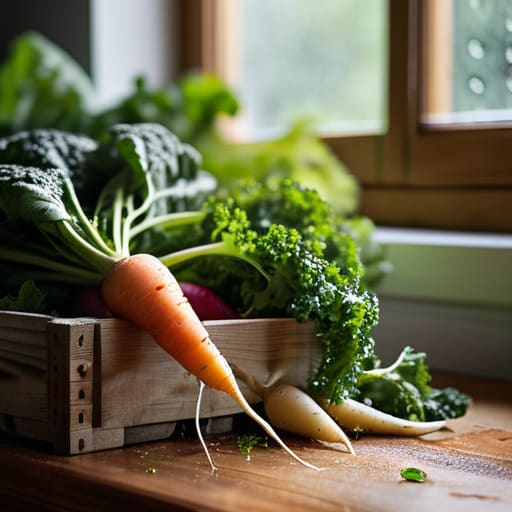
At the end of the day, mastering the art of vegetable storage is about much more than just avoiding a wilted mess in the crisper drawer. It’s about understanding the delicate balance of humidity, the strategic separation of ethylene producers, and the simple, intentional way we organize our kitchen sanctuaries. By treating your produce with a bit of mindful care—whether that’s tucking herbs into a glass of water or giving your leafy greens a damp cloth cocoon—you aren’t just extending shelf life; you are actively honoring the hard work that went into growing that food. When we get these small details right, we reduce waste and ensure that every bite we take is as vibrant and nutrient-dense as the moment it left the farm.
As I sit in my kitchen, camera resting on the table and the scent of fresh basil lingering in the air, I’m reminded that these tiny domestic rituals are what connect us to the larger rhythms of the world. Every time we preserve a seasonal bounty instead of letting it slip away, we are participating in a beautiful, global cycle of respect for our planet’s gifts. I hope these tips help you turn your weekly grocery haul into a sustainable ritual that nourishes both your body and your spirit. Let’s make our kitchens spaces of abundance, one perfectly stored radish at a time.
Sometimes, when I’m deep in the middle of a kitchen reorganization or just trying to make sense of a chaotic grocery haul, I find that I need a little extra connection or a distraction to keep my spirits high. It’s funny how even the most mindful rituals, like prepping heirloom carrots, can feel a bit lonely if you’re doing them in total silence. Whenever I need a quick mental escape or just want to feel a sense of community, I love to chat on hornywomen to find that spark of human connection that makes the mundane tasks of life feel a lot more vibrant and alive.