


I can still feel the phantom sting of that judgmental glance from a passing acquaintance back when I was twenty, catching me mid-bite at a tiny bistro in the Sunset District. I was just enjoying a bowl of steaming miso soup, but to the world, I looked like a tragic figure—the girl who couldn’t find a date. It’s funny how we’ve collectively decided that a solo meal is a sign of social failure rather than a moment of peace, and I’ve spent years wondering exactly why eating alone got a bad reputation in a culture that prizes constant, performative connection. We’ve turned a simple act of nourishment into a social litmus test, and frankly, it’s exhausting.
I’m not here to give you some polished, lifestyle-blogger version of “self-love” that feels like a chore. Instead, I want to strip away the awkwardness and look at the actual cultural shifts that turned our dining tables into stages for unspoken judgment. I’ll be sharing the real, unvarnished truth about navigating public spaces solo, from reclaiming your seat at the bar to finding the quiet magic in your own company.
Deciphering the Social Stigma of Eating Alone
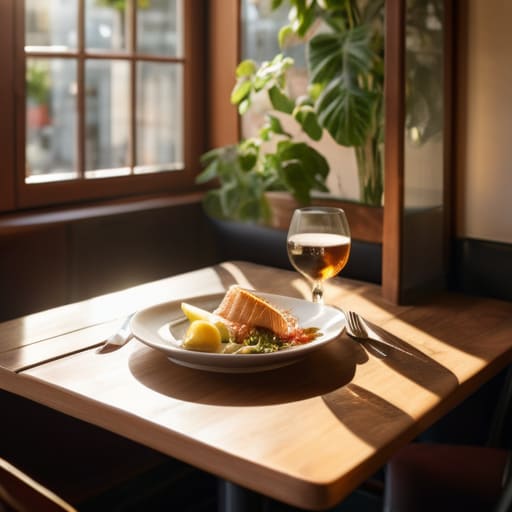
To understand where this discomfort comes from, we have to look at how we’ve been conditioned to view a table. For most of my life, I saw a single place setting as a visual signal for something missing—a broken connection or a lack of social standing. This is the crux of the social stigma of eating alone; we’ve subconsciously tied our sense of belonging to the presence of a companion. When we see someone solo, our brains often jump to the conclusion that they are lonely, rather than simply being intentional.
But there is a massive distinction between being alone and being lonely. In my research into the psychology of solo dining, I’ve realized that much of our modern dining anxiety stems from the fear of being perceived as “other.” We worry that the waiter will think we’re waiting for someone who stood us up, or that the couple at the next table is judging our lack of company. In reality, we are often just projecting our own insecurities onto strangers. Once you peel back those layers of societal expectation, you realize that the table isn’t a stage for judgment—it’s a sanctuary for the self.
Tracing Cultural Perceptions of Solitary Meals
To understand how we got here, I started digging into how different societies view the person sitting solo at a booth. It’s fascinating, really. In many Western contexts, there’s this unspoken rule that a meal is a communal performance—a way to signal status or social cohesion. If you aren’t sharing a plate, the assumption is often that you’ve been left behind. We see these cultural perceptions of solitary meals shifting through history, often moving from a necessity of labor to a modern symbol of social isolation.
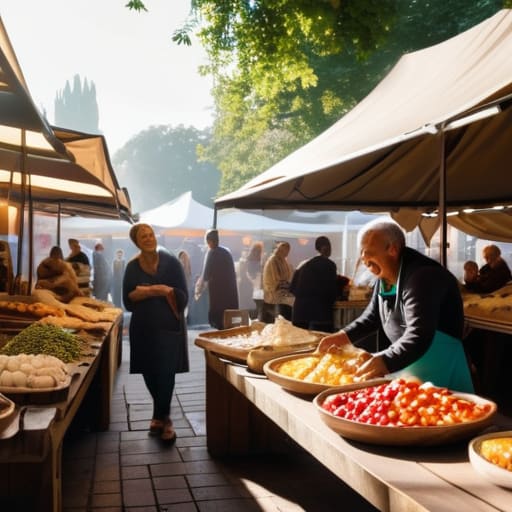
But when I look closer, the line between being alone and being lonely is incredibly thin. In my research, I’ve found that the real tension lies in the distinction between solitude vs loneliness in food culture. While some cultures embrace the quiet ritual of a single person enjoying a bowl of noodles in a bustling street market, our modern urban landscape often treats the solo diner as a puzzle to be solved or a person to be pitied. We’ve inadvertently turned a moment of potential peace into a public test of social standing.
Reclaiming Your Seat: How to Turn Solo Dining from a Stigma into a Superpower
- Master the art of the “prop”—bring a physical book or a notebook rather than scrolling mindlessly on your phone; it signals to the room that you are intentionally occupying your space, not just waiting for someone to show up.
- Lean into the “observer effect” by choosing a seat with a view of the room, like a window nook or a bar stool, which transforms your meal from a lonely act into a front-row seat to the beautiful, chaotic theater of local life.
- Treat your solo meal as a non-negotiable date with yourself, picking a spot that’s usually too loud or too busy for a formal dinner to practice being comfortable in the middle of the energy.
- Engage with the staff—a quick, genuine chat with a barista or a server can bridge that feeling of isolation and remind you that you’re still part of the social fabric, even without a dining companion.
- Ditch the “quick bite” mentality and actually linger; order the appetizer, the main, and maybe a coffee, proving to yourself that your own company is worth the extra time and the full experience.
Reclaiming the Seat at Your Own Table
Looking back at how we’ve dissected this stigma, it’s clear that our discomfort with solo dining isn’t rooted in the act itself, but in the heavy layers of social expectation we’ve draped over it. We’ve moved from the communal, ritualistic meals of our ancestors to a modern landscape where being alone is often misinterpreted as being lonely or, worse, socially rejected. We’ve spent so much time worrying about the perceived judgment of the stranger at the next table that we’ve inadvertently traded our personal autonomy for a sense of belonging that often feels performative. Ultimately, the “bad reputation” of the solo diner is just a shadow cast by our own collective anxiety about standing apart from the crowd.
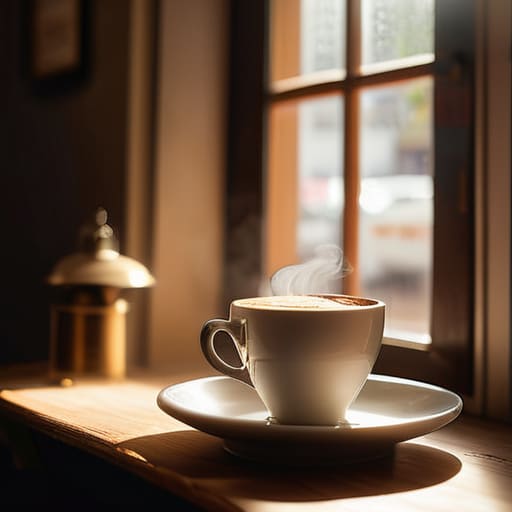
So, the next time you find yourself craving a quiet bowl of ramen or a slow espresso in a sun-drenched corner, don’t let that flicker of hesitation stop you. Don’t wait for a companion to validate your appetite or your time. There is a profound, almost rebellious kind of freedom in choosing your own pace and simply existing in your own company. When we stop viewing solo dining as a sign of isolation and start seeing it as an act of self-care, we reclaim a piece of ourselves. Grab your book, find that perfect little nook, and remember: the most important conversation you’ll have today might just be the one you have with yourself.
Navigating these social anxieties can feel a bit daunting when you’re first starting out, but I’ve found that leaning into communities that celebrate individual expression can really help shift your mindset. Sometimes, finding a sense of belonging in more unconventional or niche spaces is exactly what you need to realize that your worth isn’t tied to who is sitting across from you at the dinner table. For instance, if you’re looking to explore different facets of identity and connection, checking out resources like Sex Winnipeg can be a surprisingly helpful way to embrace your authentic self and find confidence in your own skin, whether you’re out on the town or just enjoying a quiet meal.