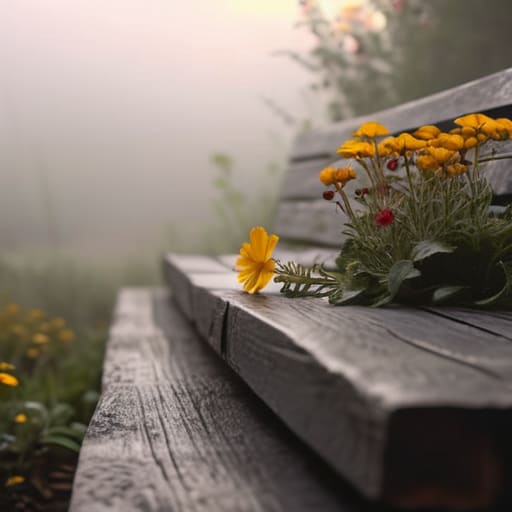



I once found myself at a “mindful community project” meeting, lured in by the promise of free coffee and the vague hope of meeting someone who wouldn’t try to sell me Tupperware. Picture this: a circle of mismatched chairs in a drafty gymnasium, the smell of burnt caffeine hanging in the air like a bad memory. The leader, a chipper guy named Carl with the enthusiasm of a golden retriever on espresso, tried to convince us that painting park benches would lead to inner peace. Meanwhile, I was just trying to figure out if I could sneak out without being noticed. Spoiler alert: I couldn’t. Carl had a radar for potential escapees.
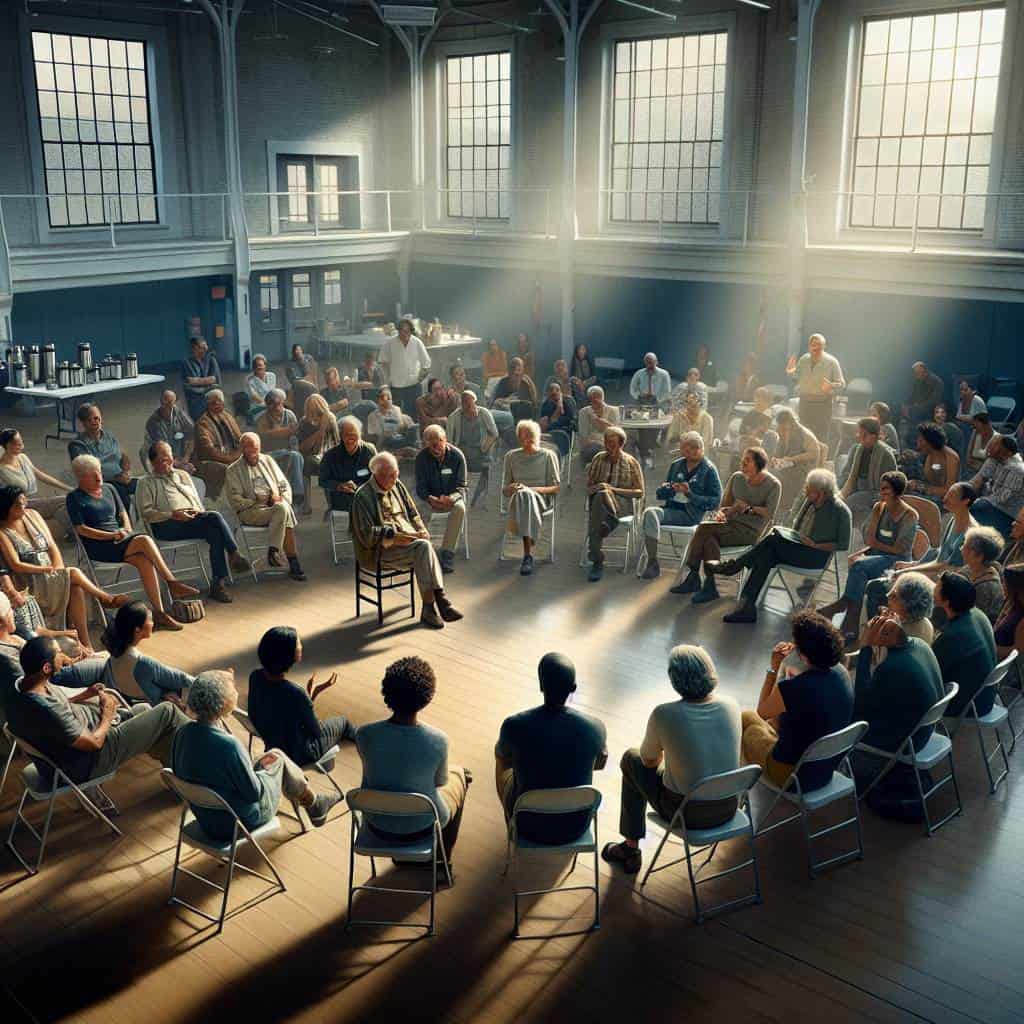
But here’s where it gets interesting—or at least less painful. This article isn’t just about dodging Carl and his well-meaning but misguided attempts at community bonding. Nope, we’re diving into the real stuff. Ever wonder why these projects keep popping up like weeds in an urban jungle? Or what keeps us coming back despite the awkward icebreakers and forced smiles? We’re going to dissect the whole shebang, from the elusive quest for genuine connection to the surprising benefits of collaboration—even if it sometimes feels like you’re stuck in a live-action episode of “The Office.” Buckle up, my friends; it’s going to be a ride.
Table of Contents
How a Cup of Coffee Turned Into a Revolution of Connection
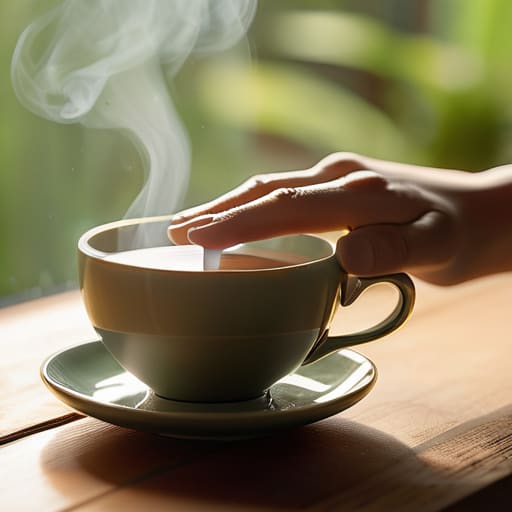
So, picture this: you’re sitting in a cramped little café, the kind with mismatched chairs and that faint smell of nostalgia mixed with burnt espresso. You’re nursing a cup of coffee that’s more foam than liquid, and suddenly, it hits you. This isn’t just a caffeine fix; it’s a full-blown revolution. Not the pitchforks and torches kind, but the kind where people start talking, connecting, and dare I say, collaborating. What started as a simple cup of Joe became a catalyst for something bigger, a mindful community project disguised as your daily caffeine ritual.
See, coffee shops have become the modern agora, where the art of conversation thrives. It’s that sacred space where strangers become allies over shared grievances about the Wi-Fi speed or the lack of oat milk. It’s where ideas brew (pun intended) and connections spark like a live wire. You start with the small stuff—weather, sports, maybe a mutual disdain for pineapple on pizza—and before you know it, you’re knee-deep in a passionate debate about the societal impact of TikTok algorithms. This communal caffeine fix isn’t just about sipping your latte; it’s about fostering a sense of well-being through genuine human interaction. It’s about collaboration in its rawest form, where every nod and smile is a tiny act of rebellion against isolation.
And let’s be real: in our hyper-digital world, where emojis have replaced actual emotions, these interactions are precious. They remind us that we’re not just avatars bouncing around in cyberspace. We’re people with stories, quirks, and a shared need to connect, preferably over a steaming cup of something. So, the next time you find yourself in your local café, remember: that cup of coffee might just be the gateway to a revolution. One where connection and community aren’t just buzzwords, but the very essence of what it means to be human.
The Truth Behind Forced Togetherness
Mindful community projects aren’t just about singing kumbaya; they’re about finding the humor in forced collaboration and realizing that well-being sometimes means dodging the bake sale committee.
When Coffee Becomes Community Chaos
So here I am, staring into the depths of my coffee mug, pondering the universe—or at least the tiny corner of it that involves my neighborhood’s ‘mindfulness’ project. I mean, sure, it started with the innocuous aroma of roasted beans, but who knew that’d spiral into a full-blown community revolution? The kind where you suddenly know more about Mrs. Henderson’s cat allergies than you ever wanted. But maybe that’s the point. Connection over caffeine.
In all this chaos, I’ve realized that ‘mindful’ projects aren’t just about forced social gatherings or awkward small talk. They’re a backdrop to the real story—the one where we fumble through our own quirks and missteps, finding camaraderie in shared awkwardness. It’s like a sitcom, where the characters are flawed but lovable, and the plot is driven by the humor and messiness of real life. In the end, maybe it’s not about the projects themselves but the little moments of clarity—or madness—they bring. And hey, if I get a good story out of it, maybe it wasn’t such a bad idea after all.