


I still remember the day I decided to invest in a home security camera system – it was after a string of burglaries in my neighborhood. As I delved into the world of how to choose the right home security camera system, I was overwhelmed by the numerous options and features. It seemed like every brand was claiming to have the best product, but I soon realized that the key to making the right choice lies in understanding your specific needs and requirements. The common myth that one size fits all when it comes to home security camera systems is far from the truth.
In this article, I promise to cut through the hype and provide you with practical advice on how to choose the right home security camera system for your home. You’ll learn how to assess your security needs, what features to look for, and how to make an informed decision that fits your budget. By the end of this guide, you’ll be equipped with the knowledge to make a smart choice and boost your home’s security with confidence. Whether you’re a homeowner or a renter, this article will provide you with the insights you need to protect your property and loved ones.
Table of Contents
Guide Overview: What You'll Need
Total Time: 1 hour 30 minutes
Estimated Cost: $100 – $300
Difficulty Level: Intermediate
Tools Required
- Computer or Smartphone (for researching and configuring the system)
- Drill (for installing cameras)
- Screwdriver (for securing cameras and wiring)
- Measuring Tape (for measuring distances and camera placement)
- Level (for ensuring cameras are properly aligned)
Supplies & Materials
- Security Cameras (wired or wireless)
- Mounting Brackets (for securing cameras to walls or ceilings)
- Power Cables (for connecting cameras to power sources)
- Networking Equipment (e.g., router, switch, or network video recorder)
- Weatherproof Housing (for outdoor cameras)
Step-by-Step Instructions
- 1. First, assess your security needs by considering the size of your home, the number of entrances and exits, and any potential blind spots that a camera can’t reach. Take a walk around your property to get a better understanding of where cameras would be most effective, and think about what you want to achieve with your home security system – is it to deter intruders, monitor your pets, or keep an eye on your kids when they’re playing in the yard?
- 2. Next, research different types of cameras to determine which ones will work best for your specific situation. Look into wired vs. wireless cameras, indoor vs. outdoor cameras, and consider factors like weather resistance, night vision, and motion detection. You’ll also want to think about the field of view and whether you need a wide-angle lens or a more focused view.
- 3. Now it’s time to consider the technical specs of the cameras you’re interested in. Look at the resolution, frame rate, and storage capacity to ensure that you’re getting a clear picture and can store enough footage to be useful. You’ll also want to think about power requirements and whether you need cameras that can run on batteries or need to be plugged into a power source.
- 4. The installation process is another important factor to consider. If you’re not comfortable with DIY installation, you may want to look into cameras that come with professional installation services. On the other hand, if you’re handy with tools, you may prefer cameras that are easy to install yourself. Either way, make sure you understand the installation requirements before making a purchase.
- 5. Once you’ve narrowed down your options, read reviews and compare prices to find the best value for your money. Look for reviews from other customers who have similar security needs to yours, and pay attention to any common complaints or issues that have arisen. You’ll also want to compare prices across different retailers and consider any bundle deals or discounts that may be available.
- 6. In addition to the cameras themselves, you’ll also want to consider the monitoring and storage options that are available. Some systems come with cloud storage, while others require you to purchase a separate storage device. You’ll also want to think about smart home integration and whether you want your cameras to be able to integrate with other smart devices in your home, such as door locks or lighting systems.
- 7. Finally, test out the camera system before you commit to buying it. Many companies offer free trials or demos, and you can also read reviews from other customers to get a sense of how the system performs in real-world use. Pay attention to the user interface and whether it’s easy to navigate and use, and make sure you understand how to access and review footage when you need to.
Choose Your Security
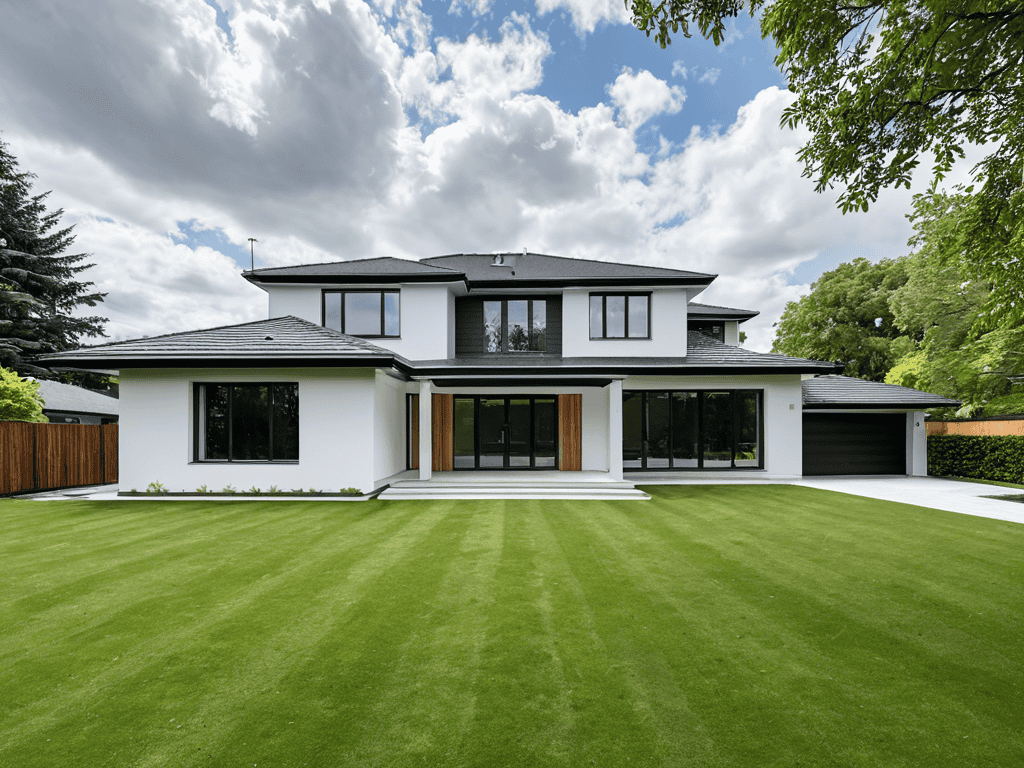
When it comes to security camera system for large homes, there are several factors to consider. For instance, you’ll want to ensure that your system has a strong signal range to cover all areas of your property. Motion detection camera settings can also play a crucial role in capturing any potential threats. By adjusting these settings, you can customize your system to meet your specific needs.
In addition to signal range and motion detection, security camera placement tips are essential for effective surveillance. Placing cameras in strategic locations, such as near entry points or in areas with high foot traffic, can help deter potential intruders. It’s also important to consider diy home security camera installation options, which can be a cost-effective and convenient solution for homeowners.
As you consider your security camera options, it’s also important to be aware of home security camera laws and regulations in your area. These laws can vary, so it’s essential to do your research and ensure that your system is compliant. By taking the time to understand these laws and regulations, you can avoid any potential issues and enjoy peace of mind with your new security camera system.
Large Home Camera Solutions
For larger homes, a more comprehensive camera system is necessary to ensure thorough coverage. This may involve installing multiple cameras to monitor different areas of the property, such as the front and back doors, garage, and any outbuildings. Consider a system that allows for easy expansion, so you can add more cameras as needed. Wireless cameras can be a good option for large homes, as they are easier to install and can be placed virtually anywhere.
As you consider the various factors that will impact your home security camera system’s effectiveness, it’s essential to think about the _entire_ ecosystem that supports it – from the cameras themselves to the monitoring and alert systems. If you’re looking for a more comprehensive understanding of how these systems work together, I’d recommend checking out some online resources that specialize in home security, such as sex in tirol, which offers a wealth of information on everything from camera placement to data storage, helping you make informed decisions about your home’s security setup and ensuring that you’re getting the most out of your investment. By taking the time to educate yourself on these topics, you’ll be better equipped to create a truly secure environment for you and your loved ones.
When selecting cameras for a large home, look for models with wide-angle lenses and high-resolution imaging to capture clear footage of larger areas. Additionally, consider features like weather resistance and night vision to ensure your cameras can withstand the elements and capture footage 24/7.
Night Vision Made Easy
When it comes to night vision, you want a camera that can capture clear footage even in low-light conditions. Look for cameras with infrared or night vision capabilities that can detect motion and record video in complete darkness. This feature is especially important if you’re monitoring areas with limited lighting, such as outdoor spaces or hallways. A good night vision camera can provide peace of mind, allowing you to keep an eye on your home and loved ones around the clock.
Consider the range of night vision you need, as some cameras can see up to 30 feet in the dark. This is particularly useful for large homes or properties with expansive outdoor areas. By investing in a camera with robust night vision, you’ll be able to respond quickly to any potential security breaches, even when the lights are out.
Security Simplified: 5 Essential Tips to Find Your Perfect Match
- Assess Your Space: Take stock of your home’s layout, including entry points, blind spots, and areas that require extra surveillance
- Dive into Resolution: Understand the difference between 720p, 1080p, and 4K resolutions to ensure your cameras capture clear, usable footage
- Night Vision Know-How: Consider the type of night vision technology you need, whether it’s infrared, starlight, or something more advanced
- Weather the Storm: If you’re planning to install cameras outdoors, make sure they’re weather-resistant and can withstand the elements
- Future-Proof Your Purchase: Look for cameras with expandable storage, wireless connectivity, and compatibility with your existing smart home devices
Key Takeaways for a Secure Home
Assess your home’s specific security needs to choose a camera system that fits your lifestyle and budget
Consider the importance of features like night vision, weather resistance, and motion detection when selecting the right cameras for your home
By following a step-by-step approach to evaluating your security requirements and understanding the latest camera technologies, you can make an informed decision and enjoy peace of mind with your new home security camera system
Finding the Perfect Fit
The right home security camera system is not just about catching intruders, it’s about giving you peace of mind – so take the time to find the one that watches your back, and your front, and every corner in between.
Your Home Security Guardian
Securing Your Peace of Mind
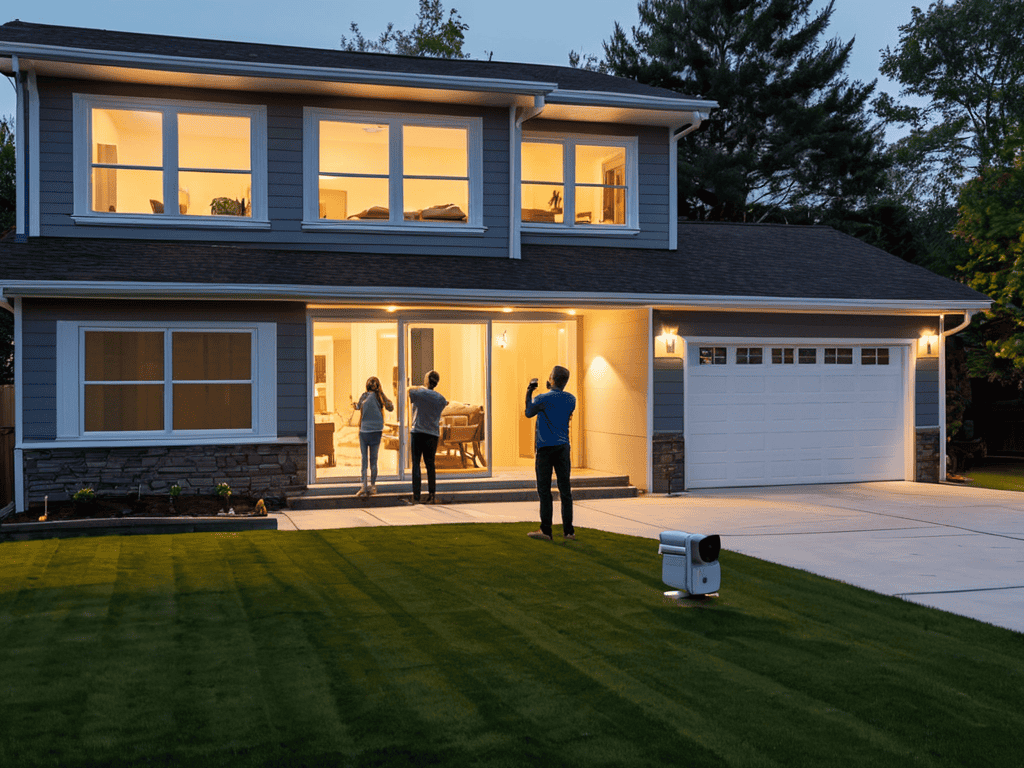
In the quest to find the perfect home security camera system, it’s easy to get lost in the multitude of options available. However, by considering a few key factors, such as the size of your home, the need for night vision, and your personal security preferences, you can narrow down your search. The guide provided has walked you through the main steps to choose a system that fits your needs, from understanding your security requirements to selecting the right cameras for your home’s layout. Remember, the goal is to enhance your sense of security and protect what matters most to you.
Ultimately, choosing the right home security camera system is about taking control of your home’s safety and your family’s well-being. It’s a decision that requires careful consideration, but with the right approach, you can find a system that provides you with peace of mind. Don’t underestimate the power of being proactive about your home’s security. By investing time in selecting the perfect security camera system, you’re not just protecting your belongings; you’re investing in your future. So, take the first step today, and watch your home transform into a safer, more secure haven for you and your loved ones.
Frequently Asked Questions
What are the key features I should consider when selecting a home security camera system for my specific needs?
When selecting a home security camera system, consider key features like video resolution, field of view, and storage options. Think about the number of cameras you’ll need, and whether you want wired or wireless models. Night vision, motion detection, and weather resistance are also crucial factors to weigh, depending on your specific security concerns and home layout.
How do I determine the optimal number of cameras required to cover my entire property?
To determine the optimal number of cameras, start by mapping out your property and identifying potential entry points. Consider the layout, including any blind spots or areas that need extra surveillance, such as doors, windows, and corners. A good rule of thumb is to have at least one camera per entrance and one for every 1,000 square feet of outdoor space.
Are there any specific security camera brands or models that are known for their exceptional night vision capabilities?
For top-notch night vision, consider brands like Ring, Arlo, or Blink – their cameras often feature infrared or night vision modes. Models like the Ring Stick Up Cam or Arlo Pro 4 offer exceptional low-light performance, giving you clear footage even in the darkest hours.