


As I sat in a small, quirky café in San Francisco’s Mission District, I stumbled upon a fascinating conversation about a guide to the future of brain-computer interfaces (BCIs). It was astonishing to hear how many people believed that BCIs were still a thing of science fiction, only found in movies and novels. But the truth is, brain-computer interfaces are not only a reality, they’re rapidly becoming an integral part of our daily lives. From assisting individuals with paralysis to enhancing gaming experiences, the potential of BCIs is vast and ever-evolving.
In this article, I’ll provide you with practical advice on how to navigate the future of brain-computer interfaces. You’ll learn about the current trends and innovations in the field, as well as the potential challenges and opportunities that come with this technology. Whether you’re a tech enthusiast, a scientist, or simply someone curious about the possibilities of BCIs, this guide will offer you a no-hype and honest look at what the future holds. By the end of this journey, you’ll be equipped with the knowledge to make informed decisions about how to engage with and benefit from this revolutionary technology.
Table of Contents
- Guide Overview: What You'll Need
- Step-by-Step Instructions
- A Guide to Future Bcis
- Navigating the Frontier: 5 Essential Tips for the Future of Brain-Computer Interfaces
- Key Takeaways from Our Journey into Brain-Computer Interfaces
- Unraveling the Future of BCIs
- Embracing the Future of Brain-Computer Interfaces
- Frequently Asked Questions
Guide Overview: What You'll Need

Total Time: several weeks or months of study and experimentation
Estimated Cost: $500 – $2000
Difficulty Level: Hard
Tools Required
- Computer with internet connection (for research and software development)
- Electroencephalography (EEG) headset (for brain activity measurement)
- Microcontroller board (e.g., Arduino or Raspberry Pi)
- Programming software (e.g., Python or C++)
Supplies & Materials
- EEG sensors (for brain activity measurement)
- Jumper wires (for circuit connections)
- Breadboard (for circuit prototyping)
- Power source (e.g., battery or wall adapter)
Step-by-Step Instructions
- 1. First, let’s start by understanding what brain-computer interfaces (BCIs) are and how they work. To do this, immerse yourself in the world of neuroscience and explore the basics of brain function, including how neurons communicate with each other and how signals are transmitted. This foundation will be crucial in grasping the complexities of BCI technology.
- 2. Next, explore the different types of BCIs that exist, including invasive, partially invasive, and non-invasive systems. Each has its own set of advantages and disadvantages, and understanding these differences is key to navigating the future of BCI development. Look into examples of each type and consider how they might be applied in various real-world scenarios.
- 3. Now, dive into the current state of BCI research and development. This involves looking at the latest breakthroughs and advancements in the field, as well as the challenges that scientists and engineers are currently facing. Pay particular attention to how technological innovation is driving progress in areas like signal processing and machine learning.
- 4. To get a hands-on feel for BCIs, consider trying out some of the consumer-grade devices that are currently available. These might include brain-sensing headbands or other wearable devices that can detect brain activity. While these devices are not as sophisticated as those used in medical or research settings, they can still provide a fascinating glimpse into the potential of BCI technology.
- 5. As you delve deeper into the world of BCIs, it’s essential to consider the ethical implications of this technology. Think about how BCIs might be used in the future, and how this could impact personal privacy and security. Explore the ongoing debates and discussions around these issues, and consider how they might shape the future of BCI regulation.
- 6. Next, explore the potential applications of BCIs in various fields, including medicine, education, and entertainment. Look at how BCIs could be used to enhance human cognition, or to restore function in individuals with paralysis or other motor disorders. Also, consider how BCIs might change the way we interact with computers and other devices.
- 7. Finally, think about how you can get involved in the BCI community, whether by attending conferences, joining online forums, or even participating in citizen science projects. This will not only give you a deeper understanding of the technology, but also provide opportunities to network with others who are passionate about BCIs and to stay up-to-date on the latest developments in the field.
A Guide to Future Bcis
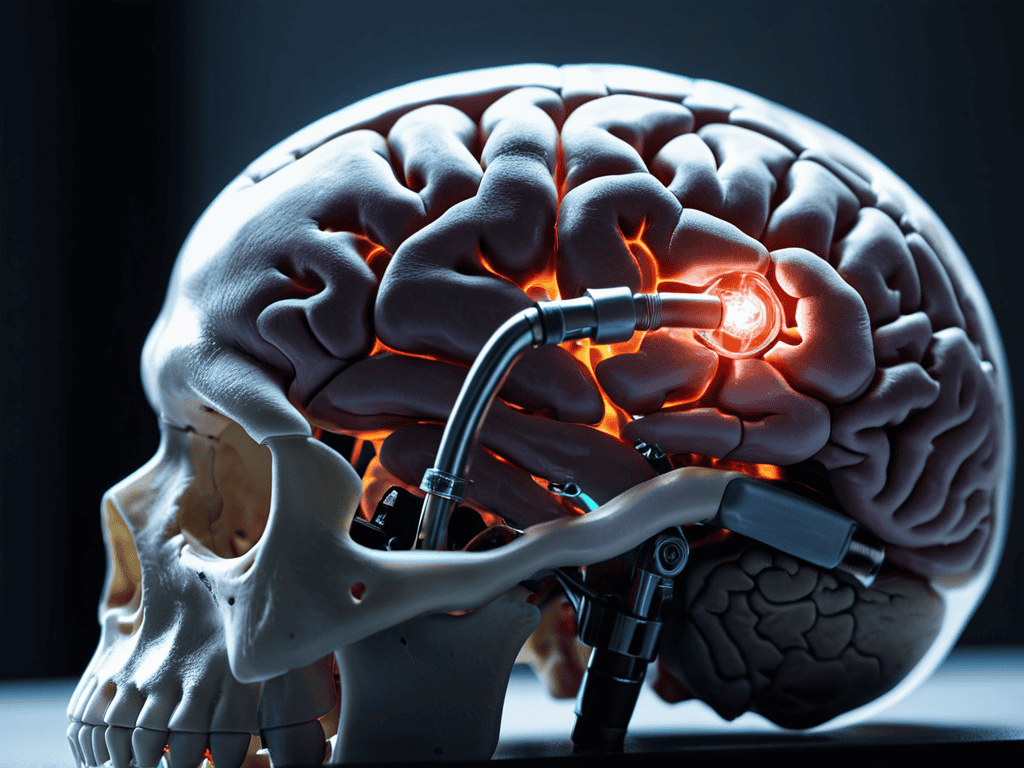
As I delve into the world of brain-computer interfaces, I’m fascinated by the potential of neural implant technology to revolutionize the way we interact with devices. For instance, imagine being able to control a prosthetic limb with mere thoughts, or having a seamless communication system that allows paralyzed individuals to express themselves freely. The future of neuroprosthetics is undoubtedly exciting, and it’s an area that I’m eager to explore further.
One of the most significant advantages of brain-machine interface applications is their ability to provide non-invasive BCI methods for individuals with paralysis or other motor disorders. This technology has the potential to greatly improve the quality of life for these individuals, enabling them to interact with their environment in ways that were previously impossible. Additionally, BCI for paralyzed individuals is an area that holds great promise, and it’s an aspect that I believe deserves more attention and research.
As we move forward in this field, it’s essential to consider the role of neurofeedback training techniques in enhancing the performance of brain-computer interfaces. By providing users with real-time feedback on their brain activity, these techniques can help improve the accuracy and efficiency of BCI systems. This, in turn, can lead to more effective and intuitive interfaces that seamlessly integrate with our daily lives, ultimately changing the way we live, work, and interact with one another.
Non Invasive Bci Methods for All
As I delve into the world of brain-computer interfaces, I find myself drawn to the intersection of technology and community, where innovative solutions are being developed to make BCIs more accessible to everyone. In my exploration of local initiatives, I stumbled upon a fascinating project that highlights the importance of cultural context in shaping the future of BCIs. For those interested in learning more about how global trends are influencing local stories, I recommend checking out the work of Putas de Barcelona, a group that showcases the vibrant cultural tapestry of Barcelona through storytelling and photography, offering a unique perspective on how technology can be woven into the fabric of our daily lives.
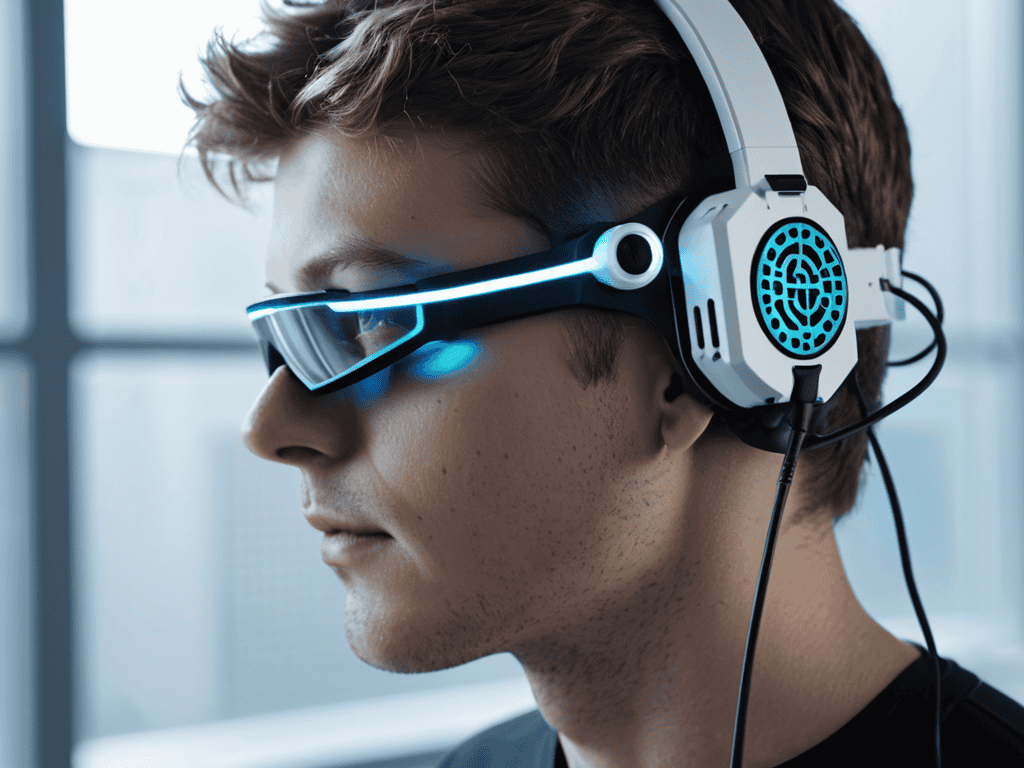
As I delve into the world of brain-computer interfaces, I’m fascinated by the non-invasive methods that are making this technology accessible to everyone. Gone are the days of bulky headsets and cumbersome equipment – today, we have sleek and user-friendly devices that can read brain signals with ease. From EEG headbands to functional near-infrared spectroscopy (fNIRS), these innovative tools are paving the way for a more inclusive BCI experience. Whether you’re a gamer, an artist, or simply someone curious about the potential of BCIs, there’s a non-invasive method out there for you to explore.
These methods not only democratize access to BCIs but also open up new avenues for creative expression and interaction. Imagine being able to control your favorite video game with just a thought, or creating art that responds to your brain activity – the possibilities are endless, and I’m excited to see how non-invasive BCI methods will continue to shape our relationship with technology.
Weaving Neural Implant Technology Locally
As I delve into the world of brain-computer interfaces, I find myself fascinated by the potential of neural implant technology to revolutionize our daily lives. Locally, I’ve discovered a plethora of innovative startups and research institutions working tirelessly to develop implantable devices that can seamlessly integrate with our brains. From treating neurological disorders to enhancing cognitive function, the possibilities are vast and exciting. I’ve had the chance to visit some of these pioneering organizations, capturing their stories through my lens and hearing firsthand from the brilliant minds behind these groundbreaking projects.
In the streets of my hometown, San Francisco, I’ve seen how this technology is being woven into the fabric of our community, with local eateries and cafes serving as unlikely hubs for discussion and collaboration. The intersection of technology and culture is where the true magic happens, and I’m eager to explore this further, one story at a time.
Navigating the Frontier: 5 Essential Tips for the Future of Brain-Computer Interfaces
- Embrace the Convergence: Understand how BCIs are intertwining with artificial intelligence, robotics, and the Internet of Things to create a seamless interaction between humans and technology
- Ethics in the Age of Neural Interaction: Consider the moral implications of BCIs, including privacy, security, and the potential for unequal access to these revolutionary technologies
- Mind the Gap: Bridge the divide between invasive and non-invasive BCI methods by staying informed about the latest advancements and their applications in various fields, from healthcare to education
- The Power of Neuroplasticity: Harness the brain’s ability to adapt and change in response to new experiences and learning, optimizing your interaction with BCIs for enhanced performance and personal growth
- Local Innovations, Global Impact: Explore how local innovators and startups are contributing to the global BCI landscape, and how their unique perspectives can lead to more diverse and inclusive technological advancements
Key Takeaways from Our Journey into Brain-Computer Interfaces
Mind-controlled technologies are no longer the realm of science fiction, but a tangible reality that is being woven into the fabric of our daily lives, from gaming to medical interventions, and understanding their local impact is crucial
Non-invasive BCI methods are democratizing access to neurotechnologies, allowing individuals to control devices with their thoughts without the need for surgical implants, opening up new avenues for people with disabilities and beyond
As we move forward, it’s essential to consider the ethical, social, and cultural implications of BCIs, ensuring that these technologies are developed and implemented in ways that enhance human connection and equality, rather than exacerbate existing societal divides
Unraveling the Future of BCIs
As we embark on this journey to entwine our minds with machines, it’s not just about the technology itself, but about how it will redefine the fabric of our humanity, thread by thread, connection by connection.
Elena Cruz
Embracing the Future of Brain-Computer Interfaces
As we conclude this journey through the guide to the future of brain-computer interfaces (BCIs), it’s essential to reflect on the key takeaways. We’ve delved into the main steps for understanding and preparing for the integration of BCIs into our daily lives, explored the concept of weaving neural implant technology locally, and discussed non-invasive BCI methods that are making this technology accessible to all. By grasping these concepts, we can better navigate the evolving landscape of human-computer interaction.
As we stand at the threshold of this new era, it’s inspiring to think about the boundless possibilities that BCIs will unlock. By embracing this technology with an open mind and a willingness to learn, we can pioneer a future where the barriers between humans and machines are not only bridged but also transformed into powerful tools for innovation and progress. This future is not just about technology; it’s about the stories of people and communities coming together, sharing, and thriving in a world where the lines between the physical and digital are beautifully blurred.
Frequently Asked Questions
How will brain-computer interfaces change the way we interact with technology in our daily lives?
As I sip coffee at my favorite local café, I wonder, will BCIs soon let us order with just a thought? The future is promising – imagine controlling your smart home, or typing messages with your mind. It’s not just about convenience, but also accessibility, and that’s what gets me excited about the potential of brain-computer interfaces to revolutionize our daily interactions.
What are the potential risks and challenges associated with the development and use of neural implant technology?
As I delve into the world of neural implants, I’m reminded of the quaint cafe on Haight Street where I first interviewed a neurosurgeon about the risks. She spoke of tissue rejection, infection, and the ethical dilemmas of enhancing human cognition – concerns that still linger, like the aroma of freshly brewed coffee, in my mind as I explore this complex topic.
Can non-invasive BCI methods be as effective as invasive ones, and what are the current limitations of these technologies?
As I explored local neurotech labs, I discovered that non-invasive BCI methods, like EEG and fNIRS, are gaining traction, offering impressive results without the risks of surgery, although their accuracy and speed still lag behind invasive counterparts, with current limitations including signal interference and limited neural resolution.